
Architectural rendering, or ArchViz, is no longer a niche skill—it is the universal language of modern architecture and real estate. It’s the art of transforming a flat blueprint into a photorealistic, emotionally engaging image that sells a vision long before the first brick is laid.
Whether you’re an architect seeking to enhance your presentation skills or a creative individual looking to launch a lucrative career in 3D visualization, formal training is the essential bridge from theory to professional-grade output. This article dives into the core components of Architectural Rendering Training, providing a roadmap to mastering this in-demand skill.
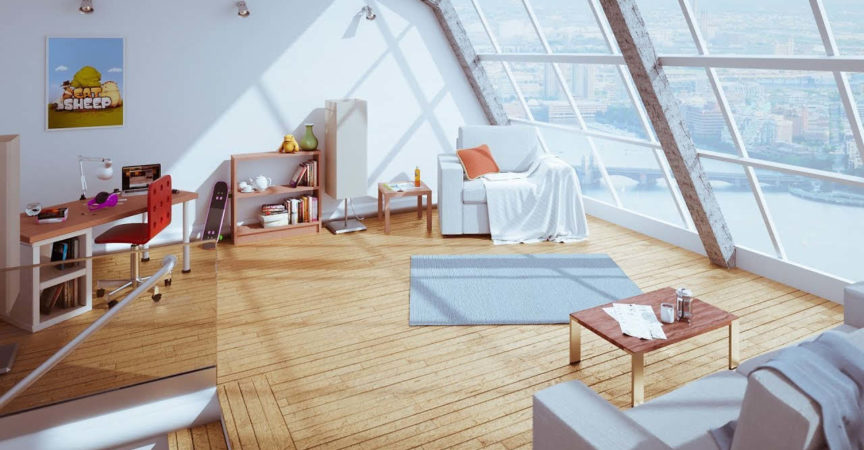
Why Training is Non-Negotiable in ArchViz
The path to professional rendering is a blend of technical software mastery and artistic sensibility. Simply owning the software is not enough; you must understand the principles that underpin truly captivating visuals.
The Shift from Technical Draftsman to Digital Artist
Early architectural visualization focused on technical accuracy. Today, the industry demands photorealism—images indistinguishable from a real photograph. Achieving this requires specialized knowledge that training provides:
- Mastering Light and Shadow: Learning how to replicate real-world phenomena, such as global illumination, bounced light, and environmental HDRIs, is paramount. This is a skill rooted in photography and physics, not just software clicks.
- Composition and Storytelling: A rendering is a picture, and a professional renderer understands the rules of composition (e.g., rule of thirds, leading lines) to guide the viewer’s eye and tell the story of the space.
- Post-Production Workflow: The final 10% of the magic often happens in programs like Adobe Photoshop, where subtle color grading, atmospheric effects, and integrating cutout people are finalized.
The Core Curriculum: Essential Modules in ArchViz Training
A comprehensive architectural rendering course should cover three major pillars: 3D Modeling, Rendering Engines, and Post-Production.
1. The 3D Modeling Foundation
Before you can render, you must create a clean, optimized 3D model. Training programs usually focus on the most common industry tools for architecture.
| Software Category | Primary Function in ArchViz | Key Learning Areas |
| CAD/BIM Tools | Architectural design and precision modeling. | Revit, SketchUp, Rhino: Understanding proper geometry, layer management, and exporting models cleanly for the renderer. |
| Optimization | Preparing complex models for fast rendering. | Reducing polygon count, cleaning up imported geometry, and ensuring model scale is correct. |
2. Rendering Engines: The Heart of Photorealism
The rendering engine is where the magic of light, material, and texture comes together. A good course will deeply explore the settings, workflow, and artistic application of at least one major engine.
- V-Ray / Corona: Often considered the industry standard for high-end, detailed photorealism. Training focuses on complex material creation (PBR materials), optimizing render settings for speed vs. quality, and advanced volumetric effects.
- Real-Time Renderers (Lumion / D5 Render / Enscape): These tools are gaining massive traction for their speed and ease of use, making them perfect for architects needing quick client feedback and animation. Courses emphasize the efficient use of large asset libraries and instant lighting setups.
- Unreal Engine / Unity: For the cutting edge, training in these game engines allows for creating truly interactive 360-degree experiences and Virtual Reality (VR) architectural tours.
3. Materials and Texturing Mastery
The texture of a wall or the reflection on a wooden floor is what ultimately convinces the viewer. Training covers the science of materials:
- PBR Workflows: Learning about Physically Based Rendering and how parameters like Albedo (Color), Roughness, Normal, and Displacement interact to create realistic surfaces.
- Procedural vs. Image Textures: Knowing when to use a seamless texture map versus a procedural material for maximum realism and efficiency.
Launching Your Career: Training and Portfolio Development
Training is not just about technical knowledge; it’s about establishing a professional portfolio that attracts clients or employers.
The Importance of a Showcase Portfolio
The best ArchViz courses are project-based, guiding you through the creation of several stunning, photorealistic images (interiors and exteriors). A strong portfolio should demonstrate:
- Versatility: Showcasing various styles (modern, classic) and lighting conditions (daylight, dusk/night).
- Attention to Detail: Meticulous application of materials, realistic environmental context, and high-quality assets (furniture, vegetation).
- Technical Prowess: Clean modeling and a professional final image composition.
Choosing Your Training Path (SEO Keyword Focus)
When searching for the best route, consider these options:
- Online Masterclasses (Best for Flexibility): Platforms like Udemy, Coursera, or specialized ArchViz schools offer self-paced learning, often focusing on a single software (e.g., Lumion Training or V-Ray Masterclass).
- University Certificates (Best for Foundations): Traditional design schools often offer certificate programs that provide a well-rounded foundation in design principles alongside software training.
- In-Person Bootcamps (Best for Career Transition): Intensive, short-term programs that offer direct mentorship and often include career placement support.
Conclusion
Architectural rendering is a high-value skill that merges creativity with technology, offering exciting career paths in architecture, film, and game design. Formal training provides the structured environment necessary to master the complex software and, critically, to internalize the artistic principles of light, composition, and material science. Invest in quality Architectural Rendering Training, build a portfolio that shines, and you’ll be ready to transform two-dimensional dreams into captivating, marketable realities.