7 Ideal Tips For Decorating a Small Bedroom

The bedroom is intended to be a sanctuary—a place for rest, reflection, and rejuvenation. However, when faced with a limited footprint, this sanctuary can quickly feel more like a storage closet than a suite. Decorating a small bedroom requires a strategic shift in mindset; it is not about how much furniture you can fit into the room, but how you can use design to create the illusion of space and the feeling of luxury.

A small bedroom does not have to mean small style. In fact, compact spaces often feel much cozier and more curated than their sprawling counterparts when handled with professional design principles. By focusing on light, scale, and multi-functionalism, you can transform a cramped sleeping area into a sophisticated retreat. Here are seven ideal tips to help you master the art of small bedroom decoration.


1. Embrace a Light and Airy Color Palette

The most effective way … Read more

Creative Balcony Design Ideas for Every Home

The balcony is often the most underutilized square footage in a residential property. Whether it is a sprawling terrace overlooking a city skyline or a compact “Juliet” platform in an urban apartment, this outdoor extension serves as a vital bridge between the sanctuary of the indoors and the freshness of the outside world. In an era where personal well-being is closely tied to our connection with nature, a well-designed balcony can become a private retreat for morning coffee, an inspiring home office, or a romantic setting for sunset dinners.

Transforming a balcony from a dusty storage spot into a functional living space requires a blend of aesthetic vision and practical planning. By focusing on layout, furniture selection, and sensory elements, you can create an outdoor “room” that feels significantly larger and more luxurious than its physical dimensions suggest.


Understanding Your Balcony’s Potential

Before purchasing furniture or plants, it is … Read more

A Comprehensive Guide to Small House Floor Plans

The global housing landscape is undergoing a significant shift. As urban spaces become more crowded and the cost of living continues to rise, more people are turning away from the “bigger is better” philosophy and embracing the elegance of efficiency. Small house floor plans are no longer just a necessity for those on a budget; they have become a deliberate lifestyle choice for individuals seeking simplicity, sustainability, and financial freedom.

Designing a small home requires a unique blend of architectural creativity and practical engineering. When every square foot counts, the floor plan becomes the most critical element of the building process. A well-thought-out layout can make a 600-square-foot cottage feel airy and expansive, while a poor design can make a 1,000-square-foot space feel cramped and dark.

The Core Principles of Small Space Design

The success of a small house floor plan lies in its ability to prioritize function without sacrificing … Read more

Why L-Shaped House Plans Remain a Design Favorite

In the vast landscape of residential architecture, the L-Shaped House Plan stands out as a timeless, versatile, and highly functional design choice. Characterized by two rectangular wings meeting at a right angle, this layout moves beyond the restrictive box of traditional square. Or rectangular homes, offering a unique blend of privacy, optimized views, and seamless integration with the outdoor environment.

The L-shape is far more than an aesthetic quirk; it is a strategic design solution that addresses many of the challenges of modern living. From maximizing natural light to creating protected, private outdoor spaces. For those planning a custom build or considering a significant renovation, understanding the inherent advantages. And design potential of the L-shaped plan is crucial to creating a home that is both beautiful and highly livable.


1. Defining the Space: Functional Zoning and Privacy

One of the L-shape’s greatest assets is its inherent ability to divide the … Read more

Exploring the Principles of Ultra Modern Home Designs

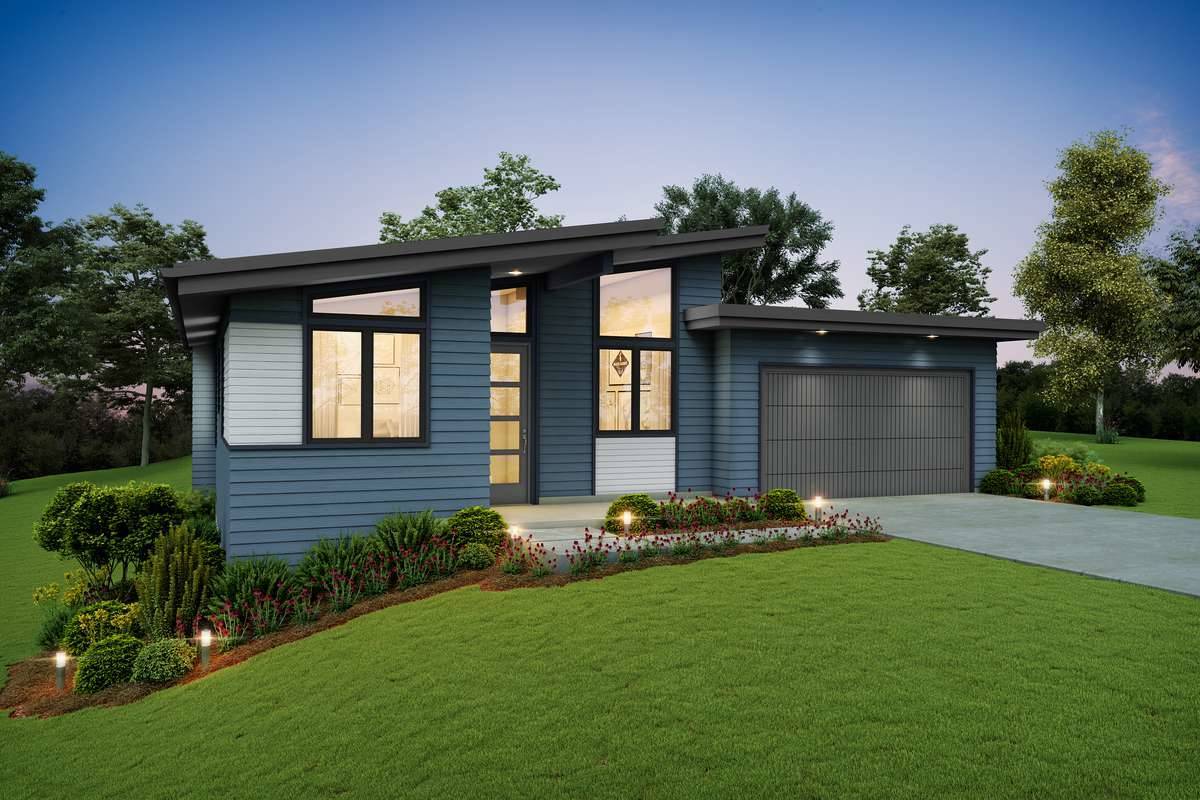
Ultra Modern Home Design is more than just a fleeting trend; it represents a commitment to the future of living. Stripping away ornamentation, embracing technological integration, and focusing on a seamless relationship between indoor. And outdoor spaces, these designs prioritize function, efficiency, and sleek, minimalist aesthetics. Ultra modern homes are bold statements—they are less about conforming to tradition and more about innovating how we interact with our environment.

For those considering building or renovating a home that truly reflects 21st-century values. Understanding the core principles of this design movement is essential. This article explores the defining characteristics, benefits, and conceptual elements that make Ultra Modern architecture the pinnacle of contemporary residential design.


1. Architectural Geometry: Form Follows Function

The defining visual characteristic of Ultra Modern design is its reliance on pure, unadulterated geometry. Complexity is replaced by clarity, creating structures that are often sculptural and dramatic.

Clean Lines and Minimalist

Read more