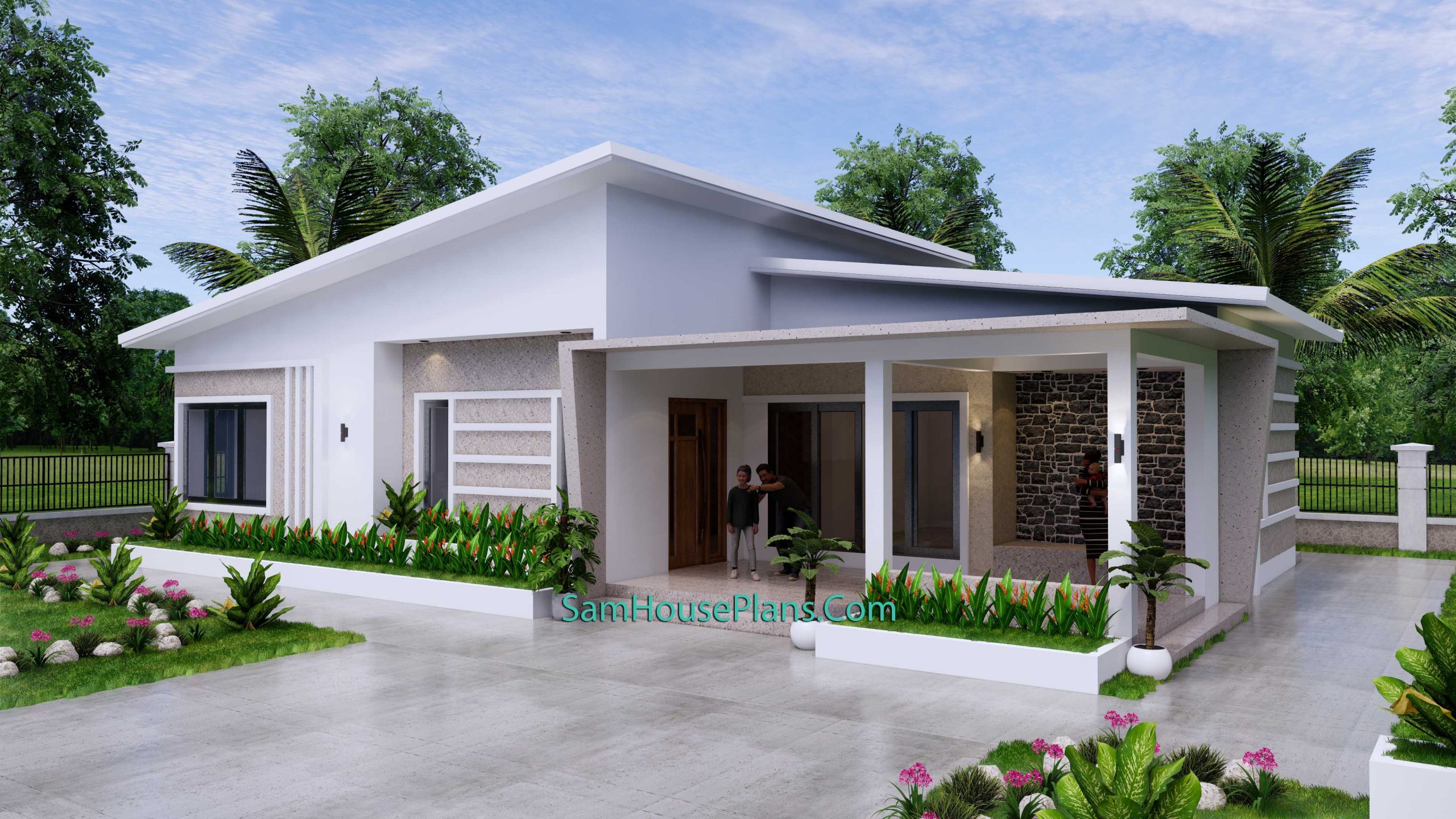
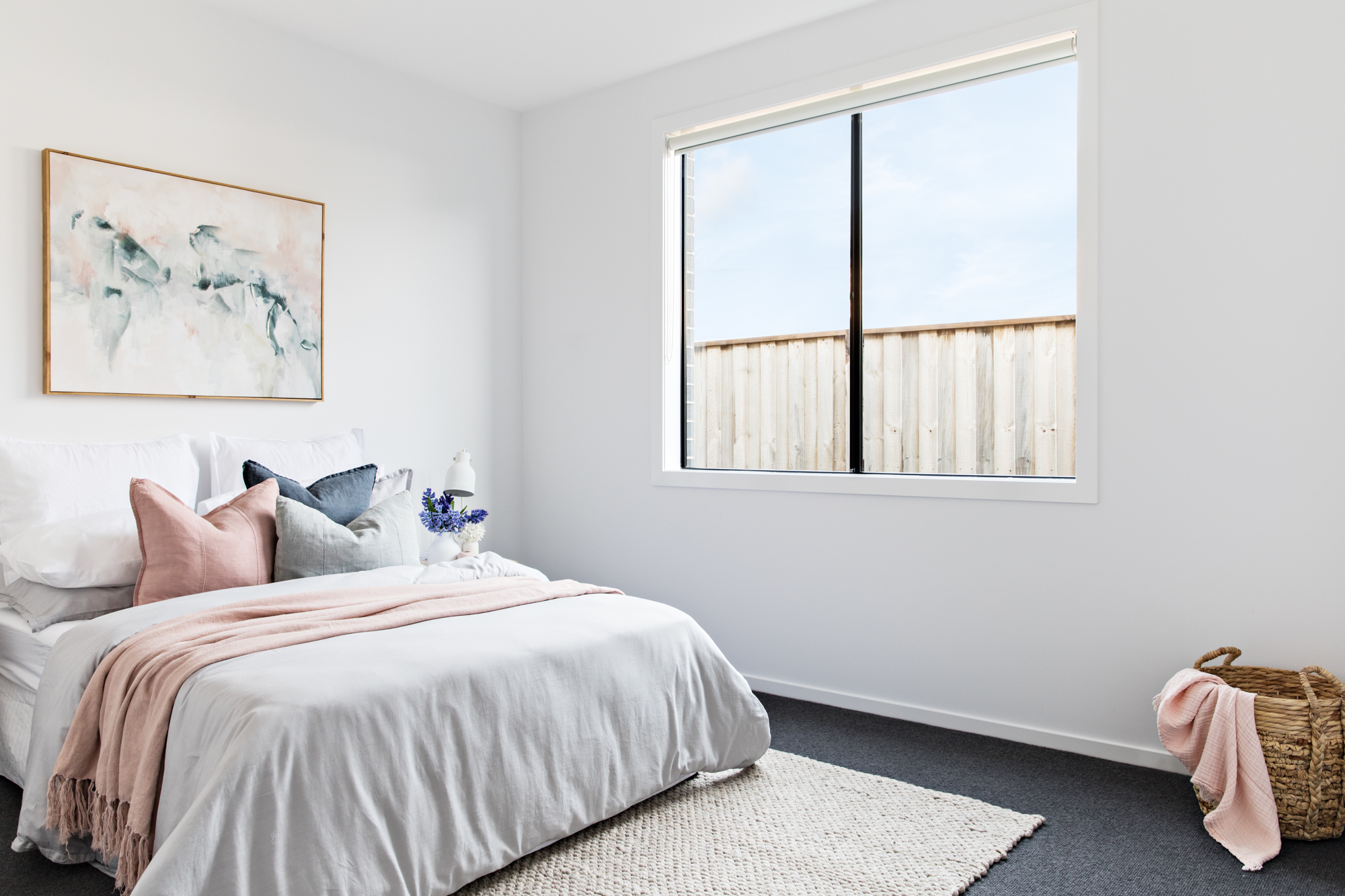
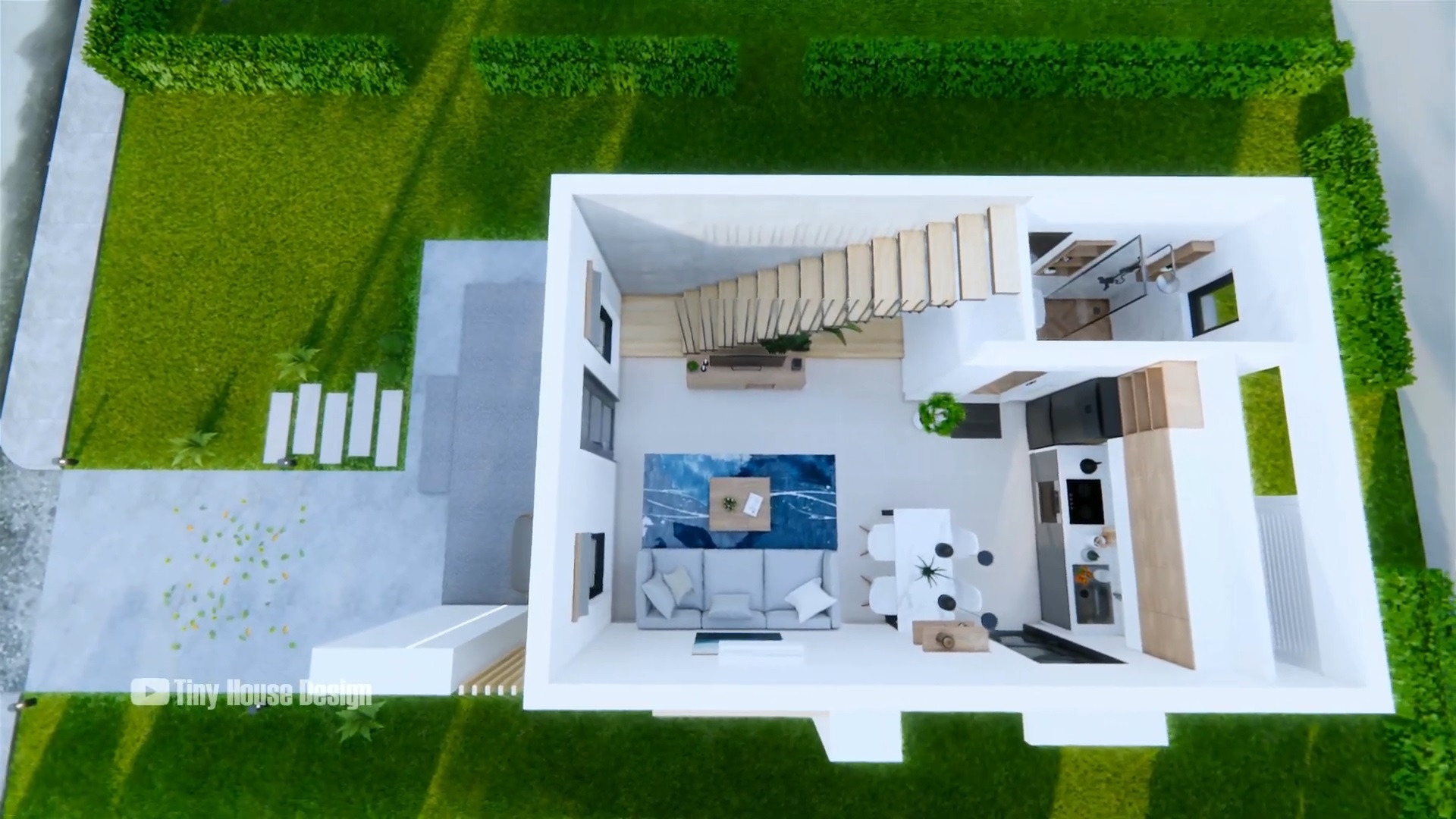
The concept of the Tiny House—typically defined as a home under 400 square feet—is far more than a minimalist architectural trend. It represents a powerful cultural and financial movement challenging the conventional wisdom that bigger is better. Born out of the desire for financial freedom, environmental sustainability, and a simpler, more intentional lifestyle. The tiny house movement offers a compelling solution to the complexities and high costs of traditional homeownership.

For many, transitioning to a tiny home is a radical decision that requires rigorous decluttering. And a fundamental rethinking of personal space. However, the profound rewards—from dramatically reduced debt to enhanced connection with the outdoors—are compelling millions to embrace the philosophy of “living large by living small.” This article explores the core motivations, ingenious design strategies, and transformative benefits of the tiny house revolution.
1. The Financial Freedom Factor: Escaping the Mortgage Trap
The most immediate and powerful driver … Read more

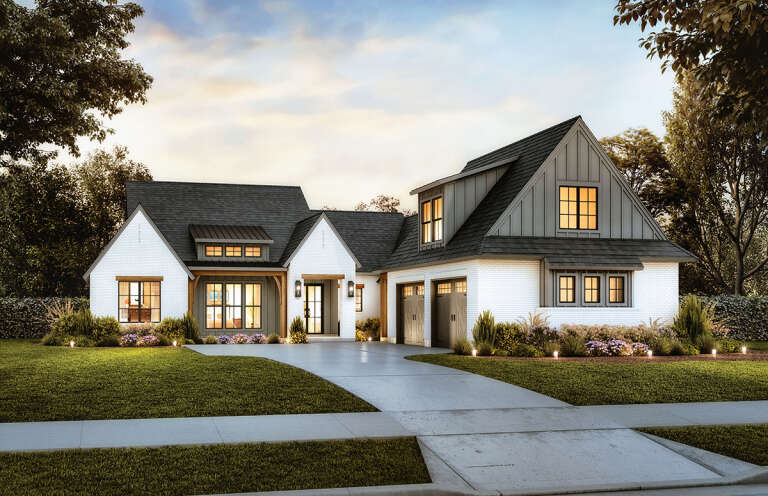
No matter who you are, irrespective of the place you live, one thing is for sure: all of us have a dream home You know, that house that you can picture your self residing in someday with its blue shutters, wrap-round porch, and flawless decor? We’ve all obtained one vision or another of the right abode that we might reside in if we won a million dollars.
In the construction of town homes, the topography is critically assessed. In flat sites, the home is set out and the development commences. In the design of the building, the topography of the land is considered. If the land is stage, the entrance to the house remains on the bottom flooring. Since town homes have three levels of flooring the entrance will be moved from the bottom floor. The house plan should have ample lighting on the lower floors.
all all over the world, the market worth of homes on the market have dropped allowing for getting properties for 30 to forty % of current market worth.