
The bedroom is intended to be a sanctuary—a place for rest, reflection, and rejuvenation. However, when faced with a limited footprint, this sanctuary can quickly feel more like a storage closet than a suite. Decorating a small bedroom requires a strategic shift in mindset; it is not about how much furniture you can fit into the room, but how you can use design to create the illusion of space and the feeling of luxury.
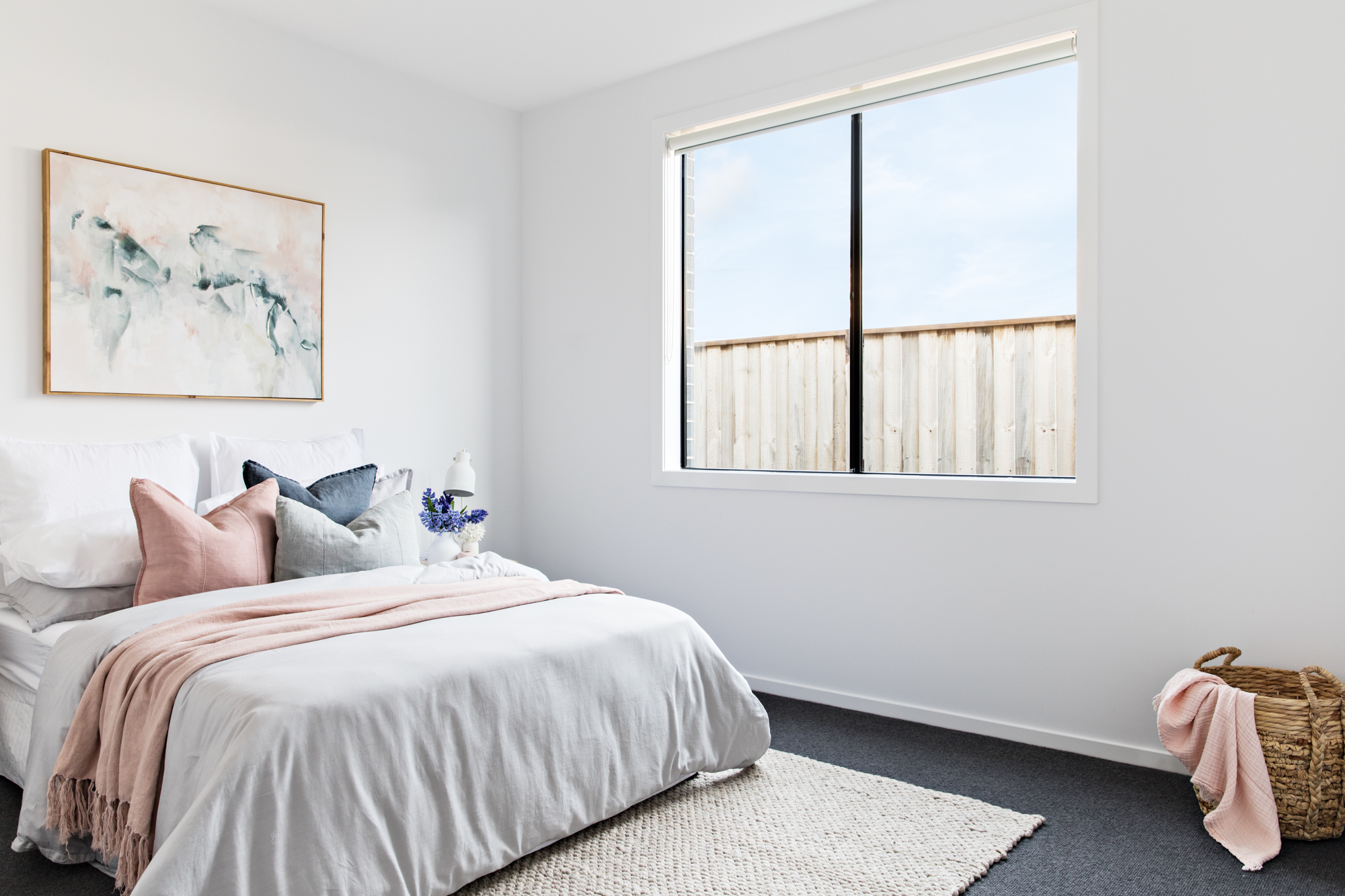
A small bedroom does not have to mean small style. In fact, compact spaces often feel much cozier and more curated than their sprawling counterparts when handled with professional design principles. By focusing on light, scale, and multi-functionalism, you can transform a cramped sleeping area into a sophisticated retreat. Here are seven ideal tips to help you master the art of small bedroom decoration.
1. Embrace a Light and Airy Color Palette
The most effective way to make a small room feel larger is through the strategic use of color. Dark, heavy colors tend to absorb light, making walls feel as though they are closing in. Conversely, light colors reflect natural light, pushing the walls outward visually.
Whites, creams, soft grays, and pale pastels are the go-to choices for small spaces. However, this does not mean the room must be boring or sterile. You can add depth by layering different textures within the same color family—think a white linen duvet paired with a cream wool throw. If you crave color, consider a “monochromatic” scheme where the walls, trim, and even the curtains are the same light shade. This eliminates visual breaks, allowing the eye to move seamlessly around the room.
2. Prioritize Vertical Space
When floor space is at a premium, you must look upward. Utilizing your walls for storage and decor is a fundamental rule of small-space living. Instead of a bulky floor lamp, consider installing wall-mounted sconces. This clears up space on your nightstand for essentials.
Floating shelves are another excellent tool. They provide a place for books and decorative items without the visual weight of a traditional bookcase. If you have high ceilings, take your curtains all the way to the ceiling line rather than stopping at the window frame. This “draws the eye up” and gives the impression that the room is much taller than it actually is.
3. Choose the Right Scale for Furniture
One of the most common mistakes in small bedroom decor is choosing furniture that is either too large or too small. A king-sized bed in a tiny room will dominate the space and make it feel dysfunctional. Conversely, filling a room with many tiny pieces of furniture can make it look cluttered and “dollhouse-like.”
The ideal approach is to select a few “hero” pieces that fit the scale of the room. A queen-sized bed with a slim, low-profile headboard is often a better choice than a heavy poster bed. Choose furniture with legs; seeing the floor underneath a bed or a nightstand creates a sense of “openness” that makes the room feel less crowded.
4. Implement Smart Mirror Placement
Mirrors are a classic designer’s trick for a reason: they are essentially windows that you can place anywhere. A large mirror reflects both natural and artificial light, brightening the room instantly. More importantly, it creates a “visual window” that tricks the brain into thinking there is more depth to the room.
For maximum impact, place a large mirror opposite a window. This will capture the outdoor view and bounce it back into the room. If a large floor mirror isn’t an option, consider mirrored wardrobe doors. They serve a functional purpose while doubling the perceived size of the sleeping area.
5. Opt for Multi-functional and Hidden Storage
In a small bedroom, clutter is the enemy of calm. To maintain a peaceful environment, everything must have a designated home. Multi-functional furniture is the key to achieving this without adding extra bulk to the room.
Consider a bed frame with built-in drawers underneath for storing off-season clothing or extra linens. An ottoman at the foot of the bed can serve as a seat and a storage chest. Even your choice of nightstand can be strategic; instead of a simple table, choose a small chest of drawers to provide extra space for items that would otherwise clutter the surface.
6. Keep Window Treatments Simple
Heavy, dark drapes can overwhelm a small room and block precious natural light. For a small bedroom, simplicity is the best policy for windows. Light-filtering roller shades or sheer curtains allow privacy while still letting the sun illuminate the space.
If you need total darkness for sleep, consider a “layered” approach: a light sheer for the daytime and a sleek blackout blind that sits inside the window frame. By keeping the window treatments the same color as the walls, you prevent the windows from becoming a jarring visual “stop,” further enhancing the flow of the room.
7. Curate Your Decor with Intention
In a large room, you can afford to have a few “filler” items. In a small bedroom, every piece of decor should be intentional. A cluttered nightstand or a dresser covered in small knick-knacks will make the room feel chaotic.
Instead of many small decorations, choose one or two larger pieces of art for the walls. This creates a focal point and gives the room a sense of grandeur. Use “closed storage” (boxes or baskets) to hide small items like chargers and jewelry. When the surfaces are clear, the architectural lines of the room can shine, making the space feel organized and expensive.
Conclusion
Decorating a small bedroom is an exercise in editing. It challenges you to prioritize what is truly necessary and beautiful, resulting in a space that is perfectly tailored to your needs. By using a light color palette, maximizing vertical space, and choosing furniture that respects the room’s scale, you can create a bedroom that feels expansive and serene. Remember, the goal is to create a room that feels like a cozy retreat rather than a confined space. With these seven tips, you can turn your small bedroom into a masterpiece of functional design.
Would you like me to help you create a specific SEO-optimized product review for space-saving bedroom furniture or perhaps a shopping list of the best light-reflecting paint colors?