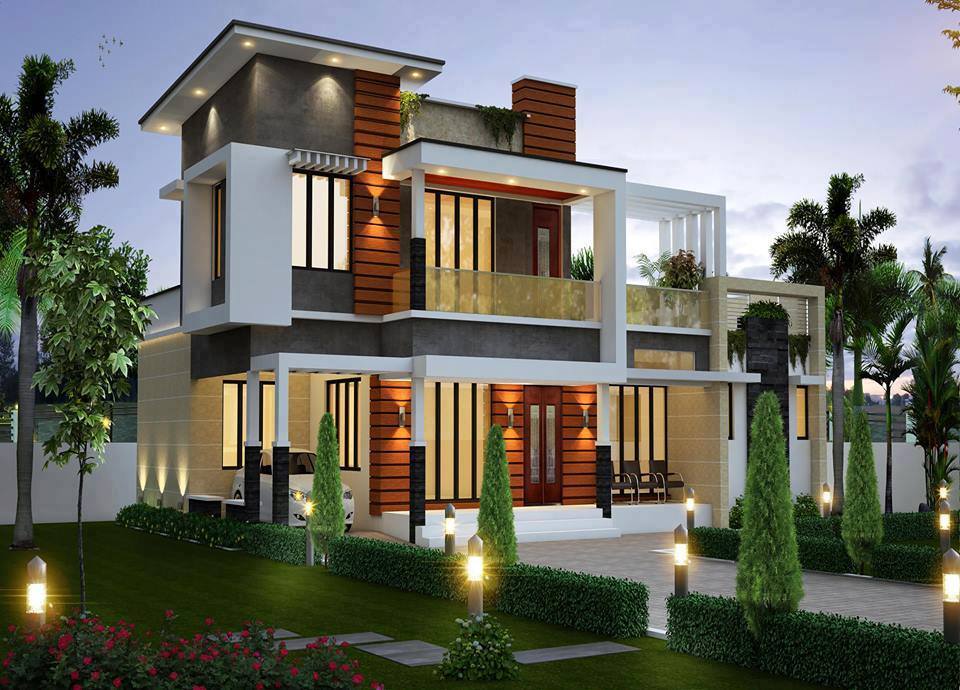
The architectural landscape is undergoing a significant transformation, moving away from the ornate complexities of the past toward a philosophy that celebrates simplicity, function, and a seamless connection with the environment. Modern house plans are no longer just a niche preference for design enthusiasts; they have become the gold standard for homeowners who prioritize efficiency, natural light, and a minimalist aesthetic.
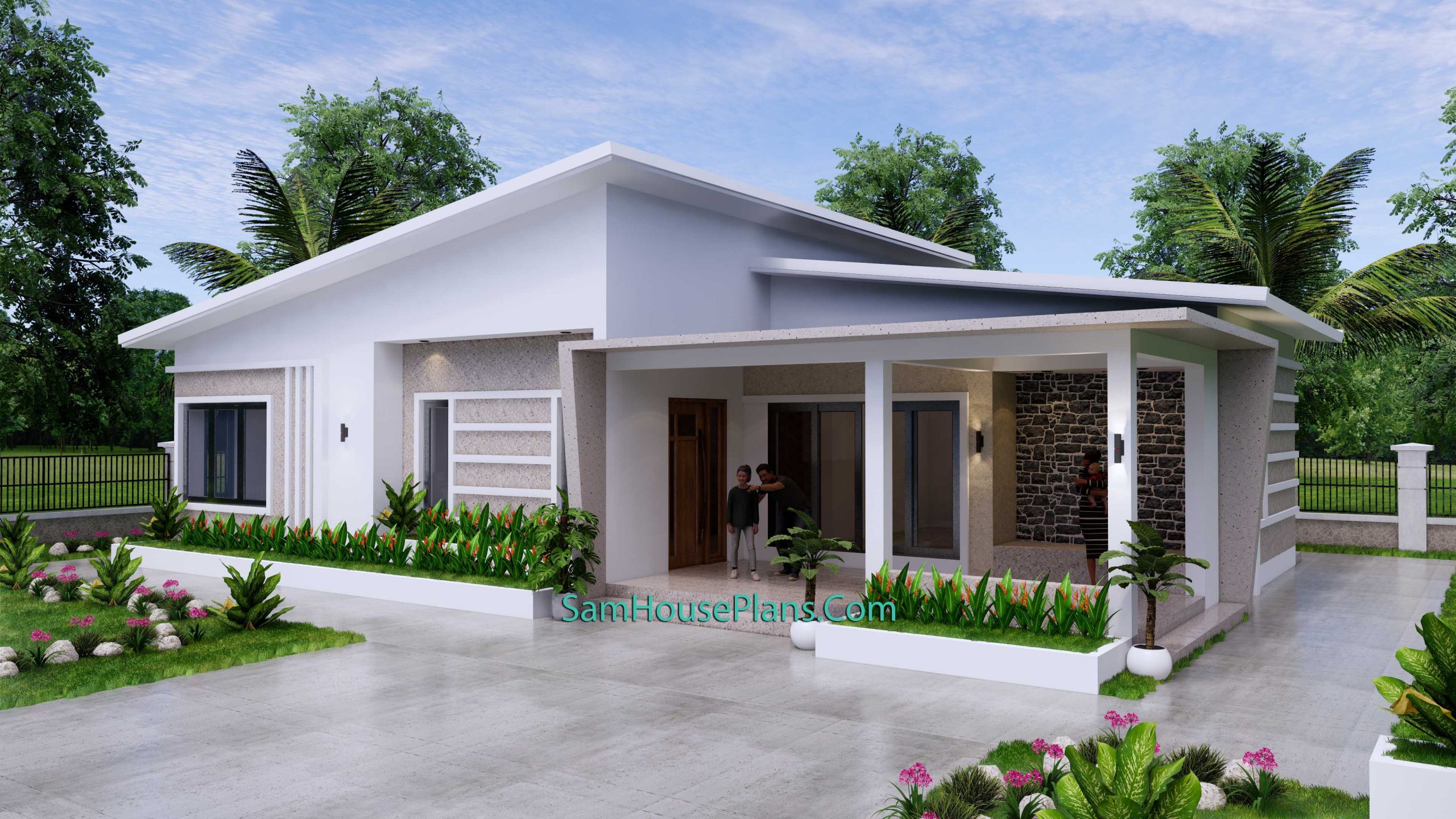
At its core, modern architecture is defined by the “form follows function” principle. This means every line, every window placement, and every material choice serves a specific purpose, resulting in homes that are as practical to live in as they are beautiful to behold.
Defining Characteristics of Modern House Plans
When we talk about modern house plans, we are referring to a specific set of design language that sets them apart from traditional or contemporary styles. Understanding these characteristics is the first step in deciding if a modern layout … Read more

 Architectural 3D ground plans are basic in architectural now as 3D flooring plan design provides enhanced the angle of building earlier than development. 3D flooring design plan and demonstrating companies help to check the whole building as at the mind of architects, interior designers, and proprietors of little/sprawling properties, property administrators, renting brokers or actual estate builders.