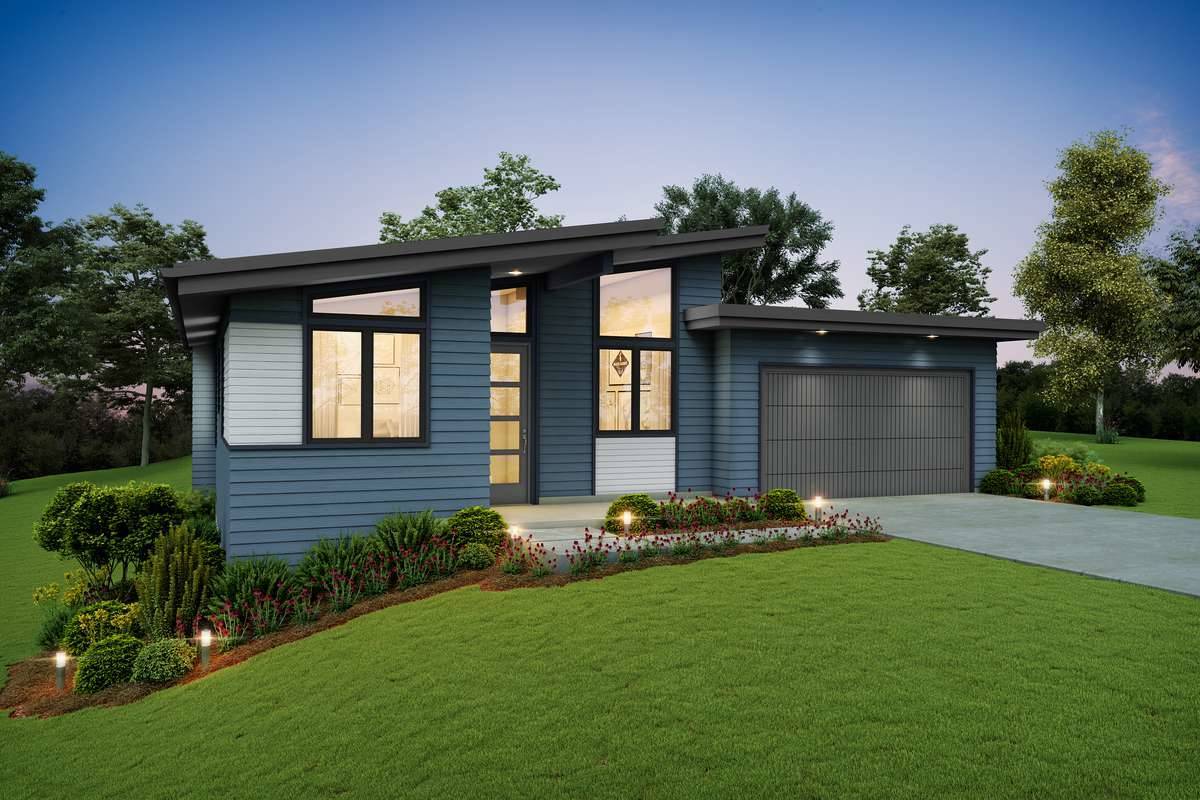
Understanding the Impact and Intent of the House Model

House Layout

In the journey of constructing a new home, the House Model—whether a physical scale model or a conceptual architectural template—serves as the foundational bridge between abstract dreams and tangible reality. It is the critical tool used by architects, builders, and buyers alike to visualize space, test functionality, and make informed decisions long before the first shovel breaks ground. Far from being mere decorative miniatures, house models are powerful planning instruments that dictate everything from site placement and material selection to the ultimate emotional flow of the finished dwelling.

For future homeowners, understanding the purpose and inherent limitations of a house model is essential for communicating effectively with their design team and ensuring the final structure truly meets their needs. This article explores the various forms of the house model and why engaging deeply with this conceptual stage is the key to building success.


1. The Physical Model: A Three-Dimensional

Read more

Why L-Shaped House Plans Remain a Design Favorite

Beach House Plans

In the vast landscape of residential architecture, the L-Shaped House Plan stands out as a timeless, versatile, and highly functional design choice. Characterized by two rectangular wings meeting at a right angle, this layout moves beyond the restrictive box of traditional square. Or rectangular homes, offering a unique blend of privacy, optimized views, and seamless integration with the outdoor environment.

The L-shape is far more than an aesthetic quirk; it is a strategic design solution that addresses many of the challenges of modern living. From maximizing natural light to creating protected, private outdoor spaces. For those planning a custom build or considering a significant renovation, understanding the inherent advantages. And design potential of the L-shaped plan is crucial to creating a home that is both beautiful and highly livable.


1. Defining the Space: Functional Zoning and Privacy

One of the L-shape’s greatest assets is its inherent ability to divide the … Read more

Exploring the Principles of Ultra Modern Home Designs

New Home Plans

Ultra Modern Home Design is more than just a fleeting trend; it represents a commitment to the future of living. Stripping away ornamentation, embracing technological integration, and focusing on a seamless relationship between indoor. And outdoor spaces, these designs prioritize function, efficiency, and sleek, minimalist aesthetics. Ultra modern homes are bold statements—they are less about conforming to tradition and more about innovating how we interact with our environment.

For those considering building or renovating a home that truly reflects 21st-century values. Understanding the core principles of this design movement is essential. This article explores the defining characteristics, benefits, and conceptual elements that make Ultra Modern architecture the pinnacle of contemporary residential design.


1. Architectural Geometry: Form Follows Function

The defining visual characteristic of Ultra Modern design is its reliance on pure, unadulterated geometry. Complexity is replaced by clarity, creating structures that are often sculptural and dramatic.

Clean Lines and Minimalist

Read more

Small Spaces: Why Tiny Houses are Reshaping Modern Living

Tiny Homes

The concept of the Tiny House—typically defined as a home under 400 square feet—is far more than a minimalist architectural trend. It represents a powerful cultural and financial movement challenging the conventional wisdom that bigger is better. Born out of the desire for financial freedom, environmental sustainability, and a simpler, more intentional lifestyle. The tiny house movement offers a compelling solution to the complexities and high costs of traditional homeownership.

For many, transitioning to a tiny home is a radical decision that requires rigorous decluttering. And a fundamental rethinking of personal space. However, the profound rewards—from dramatically reduced debt to enhanced connection with the outdoors—are compelling millions to embrace the philosophy of “living large by living small.” This article explores the core motivations, ingenious design strategies, and transformative benefits of the tiny house revolution.


1. The Financial Freedom Factor: Escaping the Mortgage Trap

The most immediate and powerful driver … Read more

Unlocking Potential: Unique Small Home Plans That Live Large

House Blueprints

The demand for unique small home plans is soaring, driven by a desire for sustainability, affordability, and a simpler lifestyle. Gone are the days when a smaller footprint meant sacrificing style or comfort. Today’s architects and designers are treating compact spaces—often under 1,000 square feet—as blank canvases for ingenious, highly efficient, and unexpectedly luxurious design. The secret lies not in the square footage, but in the thoughtful utilization of every single inch.

If you’re looking to downsize, build an accessory dwelling unit (ADU), or simply live with less clutter, embracing a small house plan is a liberating choice. Here is an exploration of the design principles and creative floor plans that make a small house live large.


1. The Architectural Illusion: Maximizing Spatial Perception

The primary goal of any unique small home plan is to make the space feel bigger than it actually is. This involves strategic architectural and … Read more