
The global housing landscape is undergoing a significant shift. As urban spaces become more crowded and the cost of living continues to rise, more people are turning away from the “bigger is better” philosophy and embracing the elegance of efficiency. Small house floor plans are no longer just a necessity for those on a budget; they have become a deliberate lifestyle choice for individuals seeking simplicity, sustainability, and financial freedom.
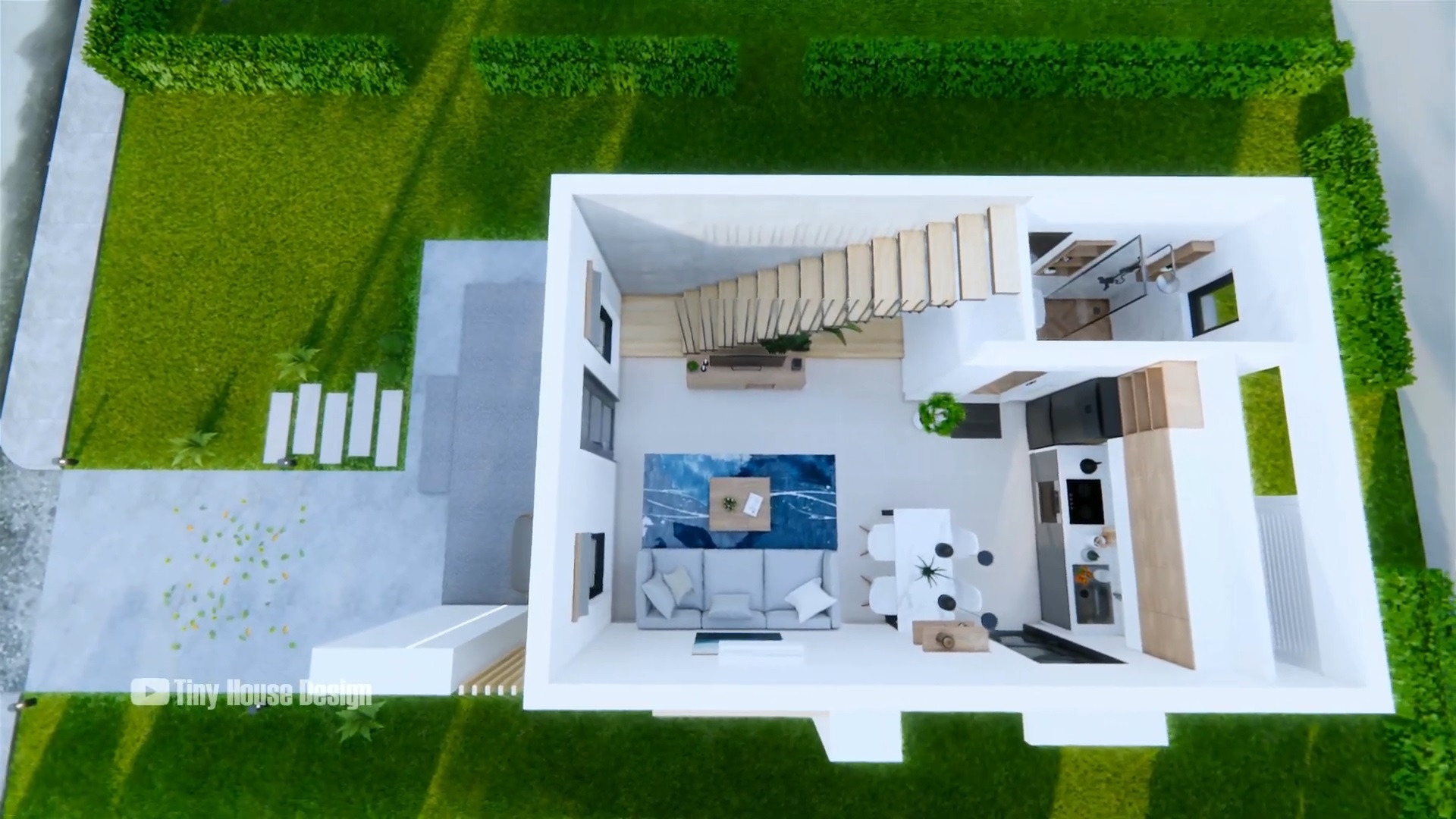
Designing a small home requires a unique blend of architectural creativity and practical engineering. When every square foot counts, the floor plan becomes the most critical element of the building process. A well-thought-out layout can make a 600-square-foot cottage feel airy and expansive, while a poor design can make a 1,000-square-foot space feel cramped and dark.
The Core Principles of Small Space Design
The success of a small house floor plan lies in its ability to prioritize function without sacrificing aesthetics. To achieve this, several core principles must be integrated into the design from the very beginning.
First is the concept of Open Concept Living. By eliminating unnecessary interior walls, especially between the kitchen, dining area, and living room, you allow light to flow through the entire house. This creates long sightlines that trick the brain into perceiving a much larger space. Instead of physical walls, designers use furniture placement, area rugs, or subtle ceiling height changes to define different “zones” within the open area.
Second is the Integration of Natural Light. Large windows, glass doors, and even skylights are essential in small homes. Natural light eliminates dark corners that can make a room feel closed in. Strategically placing windows to face a garden or a view also helps to “blur” the line between indoors and outdoors, effectively making the surrounding landscape feel like an extension of the living room.
Maximizing Vertical Space and Storage
In a traditional large home, storage is often an afterthought—a walk-in closet here, a basement there. In a small house floor plan, storage must be “baked into” the architecture.
One of the most effective strategies is Verticality. If you cannot expand outward, you must expand upward. High ceilings can be utilized for lofted sleeping areas or overhead storage racks. Floor-to-ceiling shelving units provide massive amounts of storage while drawing the eye upward, which adds to the sense of height in a room.
Furthermore, Multi-functional Furniture plays a starring role. Floor plans should be designed with specific pieces in mind: a staircase that hides pull-out drawers, a kitchen island that serves as a dining table, or a built-in window seat with a hollow base for linens. When the architecture and the furniture work together, the home remains clutter-free, which is vital for maintaining a peaceful atmosphere in a limited footprint.
Popular Types of Small House Layouts
There is no one-size-fits-all approach to small house floor plans. The layout usually depends on the specific needs of the occupants and the constraints of the building site.
The One-Story Cottage
This is a classic choice for retirees or those with mobility concerns. It focuses on a wide-open central area with bedrooms tucked into the corners. By keeping everything on one level, the plan emphasizes ease of movement and accessibility. Vaulted ceilings are often used in these plans to prevent the single level from feeling too low.
The Lofted Studio
Commonly seen in “Tiny House on Wheels” or urban ADUs (Accessory Dwelling Units), the lofted plan separates the “public” living space from the “private” sleeping quarters vertically. By placing the bed on a mezzanine level, the main floor is completely dedicated to the kitchen and living area, making it feel surprisingly spacious for entertaining guests.
The L-Shaped or U-Shaped Plan
These shapes are excellent for creating a private courtyard or patio. By wrapping the house around an outdoor space, the floor plan creates a “secret garden” feel. Large sliding doors can connect the interior directly to the courtyard, doubling the usable living space during pleasant weather.
The Role of Technology and Smart Materials
Modern small house floor plans benefit immensely from 21st-century technology. Smart home systems allow for the consolidation of switches and gadgets, reducing visual “noise” on the walls. Additionally, the use of pocket doors—doors that slide into the wall rather than swinging out—can save up to 10 square feet of usable space per door.
Materials also matter. Light colors, reflective surfaces, and minimalist finishes are staples of the small house movement. Using the same flooring material throughout the entire house creates a seamless visual flow that prevents the space from looking “chopped up” into tiny segments.
Why Small House Living is the Future
Beyond the architectural benefits, living in a small house offers profound lifestyle advantages. Smaller footprints mean lower utility bills, less time spent on cleaning and maintenance, and a reduced carbon footprint. It encourages a “quality over quantity” mindset, where homeowners invest in high-quality materials and meaningful decor rather than filling rooms with excess belongings.
The financial liberation that comes with a smaller mortgage or lower construction costs allows individuals to invest more in experiences, travel, or their personal passions. In this sense, a small house floor plan is not just a drawing of a building; it is a blueprint for a more intentional way of living.
Conclusion
Designing a small house floor plan is an exercise in mindfulness. It requires the designer to question what is truly necessary and to find beauty in efficiency. By focusing on open layouts, maximizing natural light, and utilizing clever storage solutions, a small home can offer a level of comfort and luxury that rivals much larger estates. Whether you are looking to downsize, build a vacation retreat, or create a sustainable primary residence, the art of the small floor plan proves that you don’t need a lot of space to live a big life.
Would you like me to create a specific 600-word SEO-optimized product description for a home decor item that would fit this “small house” aesthetic?