
In the vast landscape of residential architecture, the L-Shaped House Plan stands out as a timeless, versatile, and highly functional design choice. Characterized by two rectangular wings meeting at a right angle, this layout moves beyond the restrictive box of traditional square. Or rectangular homes, offering a unique blend of privacy, optimized views, and seamless integration with the outdoor environment.
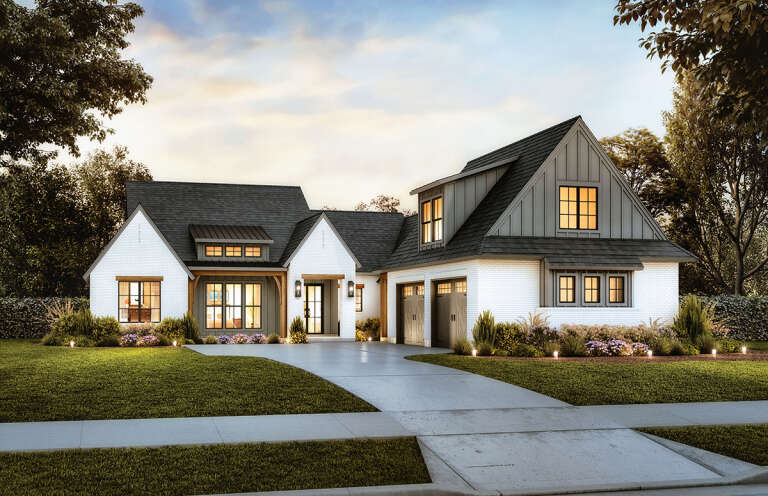
The L-shape is far more than an aesthetic quirk; it is a strategic design solution that addresses many of the challenges of modern living. From maximizing natural light to creating protected, private outdoor spaces. For those planning a custom build or considering a significant renovation, understanding the inherent advantages. And design potential of the L-shaped plan is crucial to creating a home that is both beautiful and highly livable.
1. Defining the Space: Functional Zoning and Privacy
One of the L-shape’s greatest assets is its inherent ability to divide the home into distinct, yet connected, functional zones. The two wings of the “L” naturally create separation, offering a clear solution for noise control and privacy.
Separation of Public and Private Life
The two wings can be cleverly designated to house different activities, preventing noise and foot traffic from impacting quiet areas:
- The Public Wing: Typically holds the social areas, such as the kitchen, dining room, and main living space. This area benefits from maximum light and easy access to the entry and driveway.
- The Private Wing: Extends perpendicularly to house the bedrooms, home offices, and private dens. By being set away from the main activity hub, this wing is shielded from noise, offering tranquility and retreat.
This deliberate zoning ensures that someone can be entertaining guests in one wing. Without disturbing another family member who might be working or resting in the opposite wing.
Strategic Entry Points
The intersection of the two wings is a perfect natural location for the main entryway or mudroom. This central placement minimizes traffic in the main living areas. And maximizes efficiency, acting as a hub that branches out to the various zones.
2. The Courtyard Advantage: Embracing the Outdoors
Perhaps the most beloved feature of the L-shaped plan is the protected courtyard it creates. This design feature turns a potentially exposed yard into a private, sheltered outdoor room.
Protection and Seclusion
The two walls of the “L” provide natural windbreaks and acoustic shielding from neighbors, making the courtyard an ideal, private location for outdoor dining, children’s play, or simply relaxing.
- Optimized Views: All main rooms that face into the inner angle of the L-shape can share a consistent, beautiful view of the central courtyard, often focused on a deck, a pool, or curated landscaping. This focuses the design inward onto a controlled, beautiful focal point.
- Indoor-Outdoor Flow: By placing large sliding glass doors or French doors along the inner angle, the home achieves a seamless transition between the indoor living space and the outdoor environment. This connection dramatically extends the perceived size of the home and enhances natural light penetration.
3. Versatility Across Styles and Terrain
The L-shape is incredibly adaptable, lending itself well to various architectural styles and accommodating different types of terrain, from flat suburban lots to gently sloped acreage.
Architectural Adaptability
The basic L-form can be dressed up or down to suit nearly any aesthetic:
- Modern and Contemporary: The L-shape works perfectly with flat roofs, expansive glass, and minimalist facades, reinforcing the clean geometric lines characteristic of modern design.
- Ranch and Traditional: The long, low profile of the L-shape is often seen in sprawling mid-century ranch homes, where it helps anchor the structure to the landscape.
Site Optimization
On wider, shallower lots, the L-shape utilizes the perimeter effectively, leaving a large central space for the courtyard. On corner lots, the L-shape can be positioned to maximize light while keeping the private wing away from the noise of the main road intersection.
Conclusion
The L-Shaped House Plan is an enduring favorite in residential design due to its strategic blend of aesthetics and practicality. It masterfully creates internal functional zoning for enhanced privacy, defines a protected and valuable outdoor courtyard, and proves highly versatile across different architectural styles and terrains. By choosing the L-shape, homeowners build more than just a house; they create a deliberately organized, serene, and beautifully integrated environment where interior comfort and exterior connection flourish together.