
The desire to live independently in the familiar comfort of one’s own home—a concept known as “Aging in Place”—is a goal shared by the vast majority of homeowners. It’s more than just a preference; it’s a lifestyle choice that promotes mental, emotional, and physical well-being.
However, a standard home layout often presents challenges as mobility or vision change over time. The key is to incorporate the principles of Universal Design—creating spaces that are beautiful, functional, and accessible to people of all ages and abilities. Whether you are planning a major renovation or small, strategic upgrades, focusing on these five essential design ideas will future-proof your home, ensuring it truly remains your “forever home.”
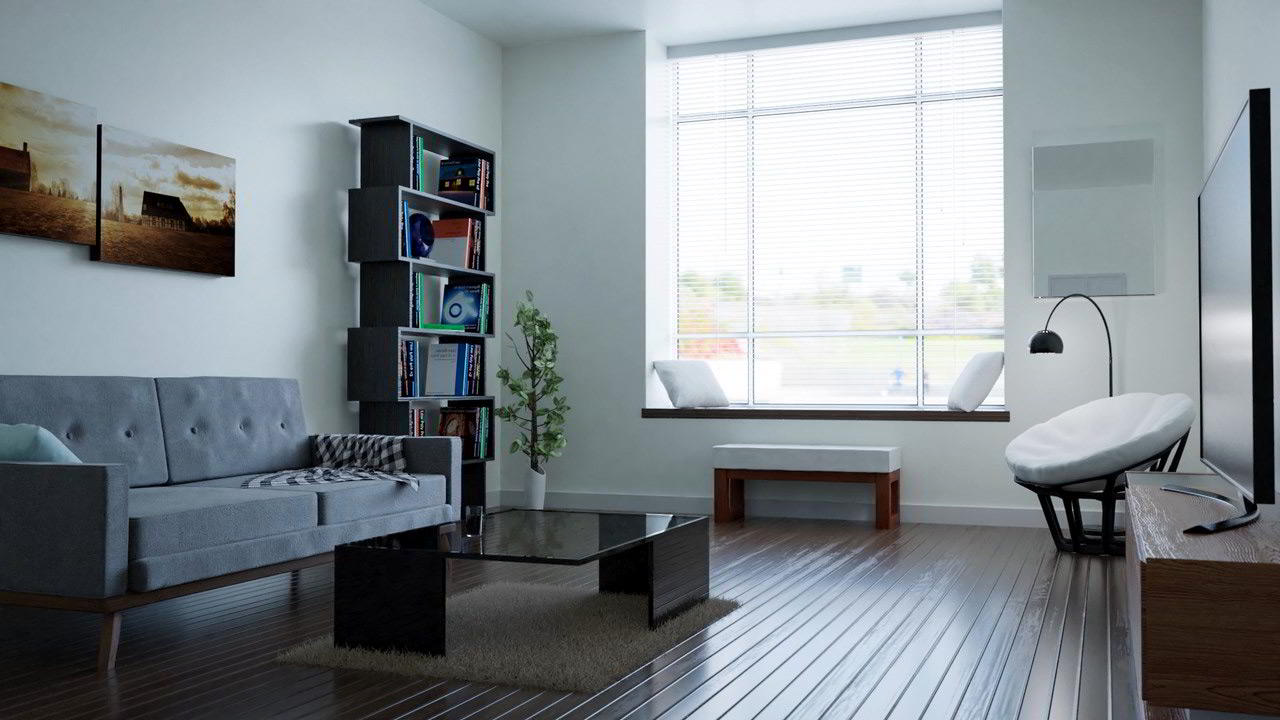
1. Zero-Threshold Entries and Single-Level Living
Falls are one of the greatest risks to older adults, and steps—even just one—are a major hazard. The ultimate goal for aging in place is to eliminate unnecessary changes in floor height, both inside and out.
- The Power of No-Step Entry: Designating at least one primary entrance (often the garage or front door) as completely step-free is crucial. This can be achieved with a ramp that blends seamlessly with the landscaping or by ensuring the finished floor level is flush with the ground outside.
- Main-Floor Essentials: Prioritize having all essential living functions on one level. This means a master bedroom, full bathroom, kitchen, and laundry room must be accessible without using stairs. If you have a multi-story home, convert a ground-floor room into a primary suite, or plan for the future installation of a residential elevator or stair lift.
- Wider Doorways and Hallways: While a standard doorway is 32 inches, widening them to at least 36 inches provides necessary clearance for a walker, a wheelchair, or even just carrying a bulky item without twisting. This is a foundational element of universal design that benefits everyone.
2. Bathroom Safety: Curbless Showers and Strategic Support
The bathroom is statistically the most dangerous room in the house due to wet, slippery surfaces. Designing an accessible bathroom is the most high-impact modification for aging in place.
- The Curbless Shower Revolution: A shower with no curb or threshold allows easy roll-in access for a wheelchair and eliminates the dangerous high step of a traditional tub or shower pan. Be sure to use non-slip flooring with a matte finish and proper drainage.
- Integrated Grab Bars: Don’t wait until they are needed. Install attractive, stylish grab bars now in the shower, next to the toilet, and near the entry. Ensure they are professionally anchored to wall studs to support a person’s full weight. You can even choose models that double as towel bars for a discreet look.
- Comfort-Height Fixtures: Opt for comfort-height toilets (which are a few inches taller than standard models) and adjustable or handheld showerheads. Single-lever or touchless faucets in the sink and shower are also easier to operate for those with limited hand strength.
3. The Accessible Kitchen: Drawers Over Doors
In the kitchen, the goal is to reduce bending, reaching, and heavy lifting. Modern cabinet and appliance solutions can make this central space fully accessible without sacrificing style.
- Drawers Over Lower Cabinets: Replace traditional base cabinets with deep, full-extension drawers. This allows you to pull the contents toward you, eliminating the need to kneel or bend over to reach items in the back.
- Pull-Out and Pull-Down Storage: Install pull-out pantry shelves for food and pull-down shelving systems in upper cabinets. These features bring items stored high up down to counter level, putting everything within easy reach from a seated or standing position.
- Waist-Height Appliances: Reconsider the location of your appliances. Place the microwave and wall oven at counter or waist height to eliminate dangerous overhead or floor-level reaching. A side-by-side refrigerator/freezer is also typically easier to access than a top/bottom model.
4. Enhanced Lighting and Visual Contrast
As we age, our eyes require more light and clearer visual cues to navigate safely. Thoughtful lighting design is essential for reducing trip hazards and increasing confidence.
- Layered Lighting: Avoid relying on a single overhead fixture. Use a combination of ambient (general), task (focused on work areas), and accent lighting. Install under-cabinet lighting in the kitchen to brightly illuminate countertops.
- Motion and Touch Activation: Replace standard toggle switches with rocker-style switches (easier to press) or install motion-sensor lighting in hallways, bathrooms, and closets. This provides instant light when entering a room, eliminating the need to feel around in the dark.
- Strategic Contrast: Use contrasting colors to clearly define edges. For example, choose a stair runner that contrasts with the floor or use a different color tile on the edge of the kitchen countertop. This visual contrast greatly assists individuals with diminishing eyesight in perceiving depth.
5. Easy-Grip Fixtures and Handles
Small changes in hardware can have a major impact on dexterity and ease of use, making daily tasks less strenuous and frustrating.
- Lever Handles: Replace all traditional round doorknobs with lever-style handles. Levers require only a closed fist or elbow to operate, which is far easier for those with arthritis or carpal tunnel syndrome.
- “D” or Loop Pulls: On drawers and cabinet doors, opt for U-shaped D-pulls or loop handles instead of small knobs. These offer a larger surface area that is easier to grasp and manipulate.
- Rocker and Smart Switches: As mentioned, rocker light switches are preferred, but consider integrating simple smart home technology (like voice-activated lighting or thermostats). These tools empower residents to control their environment with minimal physical effort.
Conclusion: Designing for a Life Well-Lived
Aging in place is about giving yourself the gift of long-term independence in the place you love most. Implementing these five essential design ideas—from the safety of a curbless shower to the convenience of pull-out kitchen drawers—is an investment in comfort, safety, and peace of mind. By adopting the principles of Universal Design, you are not just modifying a house; you are designing a beautiful, functional, and welcoming “forever home” that will adapt alongside you through every chapter of life.