
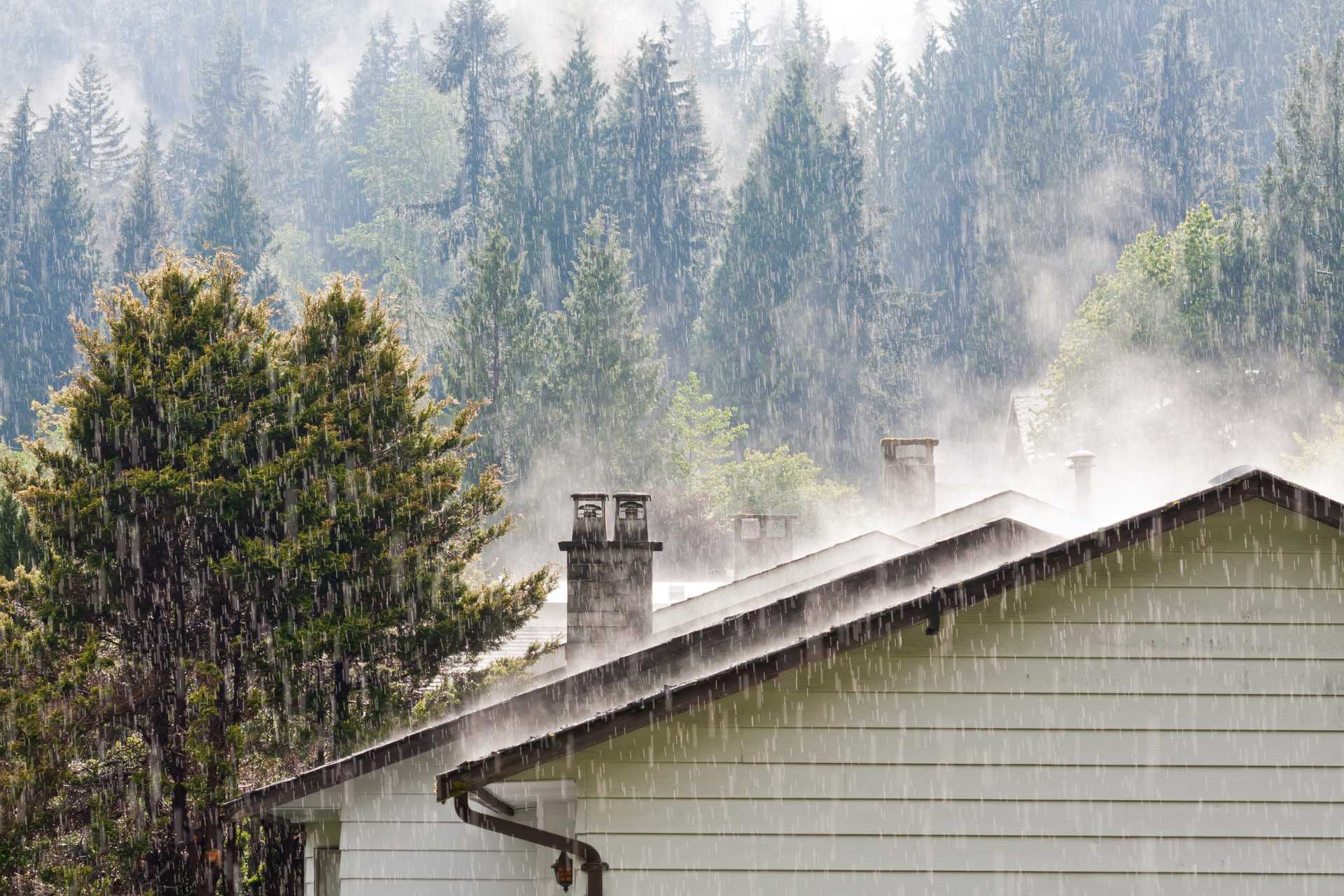
In the grand hierarchy of home components, the roof holds the undisputed title of “First Line of Defense.” It is the unsung hero that stands between your family, your belongings, and the elements—rain, sun, wind, and snow. Yet, in the excitement of buying a home, or the complacency of ownership, the roof is often the most overlooked component until a leak forces it into the spotlight.
Understanding the quality, age, and condition of your roof is not just about avoiding a messy ceiling; it is about protecting a significant financial investment. For both prospective buyers and current homeowners, a roof-centric inspection and maintenance plan is absolutely essential.
The Buyer’s Critical Checklist: Don’t Inherit a Leak
For home buyers, evaluating the roof is non-negotiable. A full roof replacement is one of the single most expensive repairs a homeowner will ever face, typically costing tens of thousands of dollars. Knowing the roof’s condition gives you powerful negotiation leverage.
1. Assessing the Surface and Materials
- Age and Lifespan: Know the roof material and its expected lifespan. Asphalt shingles typically last 20-25 years; metal or tile can last 50+ years. If the roof is nearing the end of its life expectancy, factor in the immediate cost of replacement. Ask the seller for replacement documents and warranties.
- Shingle Damage: Look for visible signs of wear from the ground:
- Curling or Cupping: Edges lifting or buckling indicates material aging and water absorption.
- Missing Granules: If you see piles of asphalt granules in the gutters, it means the protective layer of the shingle is wearing off, leaving it vulnerable to UV damage.
- Cracked or Missing Shingles: These are clear pathways for water infiltration.
- Sagging: A visible dip or curve in the roofline is an extremely serious sign of structural damage to the underlying decking or trusses. This requires immediate professional assessment.
2. Checking the Critical Transition Points (Flashing)
Flashing is the thin metal (or membrane) used to seal the areas where the roof meets another structure. These are the most common leak spots.
- Chimneys and Skylights: Check the flashing around these penetrations for rust, separation, or poor caulking.
- Valleys: The V-shaped channels where two slopes meet should have continuous, intact flashing to shed water effectively.
3. Inspecting the Underside (The Attic)
During your home inspection, climb into the attic space (if accessible).
- Water Stains: Look for dark or damp patches on the wood sheathing (decking) that signal a past or present leak.
- Daylight: If you can see daylight coming through the roof boards, water can certainly get in.
- Ventilation: Ensure there are proper vents (ridge, soffit, or gable) that allow hot, moist air to escape. Poor ventilation shortens the life of the roof materials and can lead to mold.
The Homeowner’s Responsibility: Proactive Maintenance
Once you own the home, the key is vigilance. A small, early repair is always cheaper than a major replacement years later.
1. Keep Gutters Clear
Clogged gutters prevent water from draining properly. This causes water to back up under the shingles or pool around the fascia boards, leading to rot and interior water damage. Clean them at least twice a year.
2. Trim Overhanging Branches
Tree limbs that rub against the roof will eventually scrape off the protective granules of the shingles. They also drop leaves and debris that trap moisture, encouraging the growth of moss and algae, which can eat away at the roofing material.
3. Monitor for Organic Growth
Moss, mold, and algae retain moisture on the roof’s surface, accelerating deterioration. While some growths can be carefully treated and removed, excessive growth often indicates poor drainage or a roof that is constantly damp.
4. Schedule Professional Inspections
Even if you don’t see an obvious problem, schedule a professional roof inspection every 3-5 years, or immediately after a major storm. A professional can safely get on the roof, spot subtle wear, and catch issues before they compromise the integrity of the system.
Conclusion
The roof is more than just an architectural feature; it is the fundamental shield of your home. Whether you are about to purchase a new property or you are managing the upkeep of your current one, the quality and condition of your roof demand your utmost attention. By moving beyond surface-level aesthetics and applying a disciplined, detailed checklist to its structure, flashing, and ventilation, you actively protect your largest investment, ensuring the roof remains your reliable first line of defense for decades to come.