
The demand for unique small home plans is soaring, driven by a desire for sustainability, affordability, and a simpler lifestyle. Gone are the days when a smaller footprint meant sacrificing style or comfort. Today’s architects and designers are treating compact spaces—often under 1,000 square feet—as blank canvases for ingenious, highly efficient, and unexpectedly luxurious design. The secret lies not in the square footage, but in the thoughtful utilization of every single inch.
If you’re looking to downsize, build an accessory dwelling unit (ADU), or simply live with less clutter, embracing a small house plan is a liberating choice. Here is an exploration of the design principles and creative floor plans that make a small house live large.
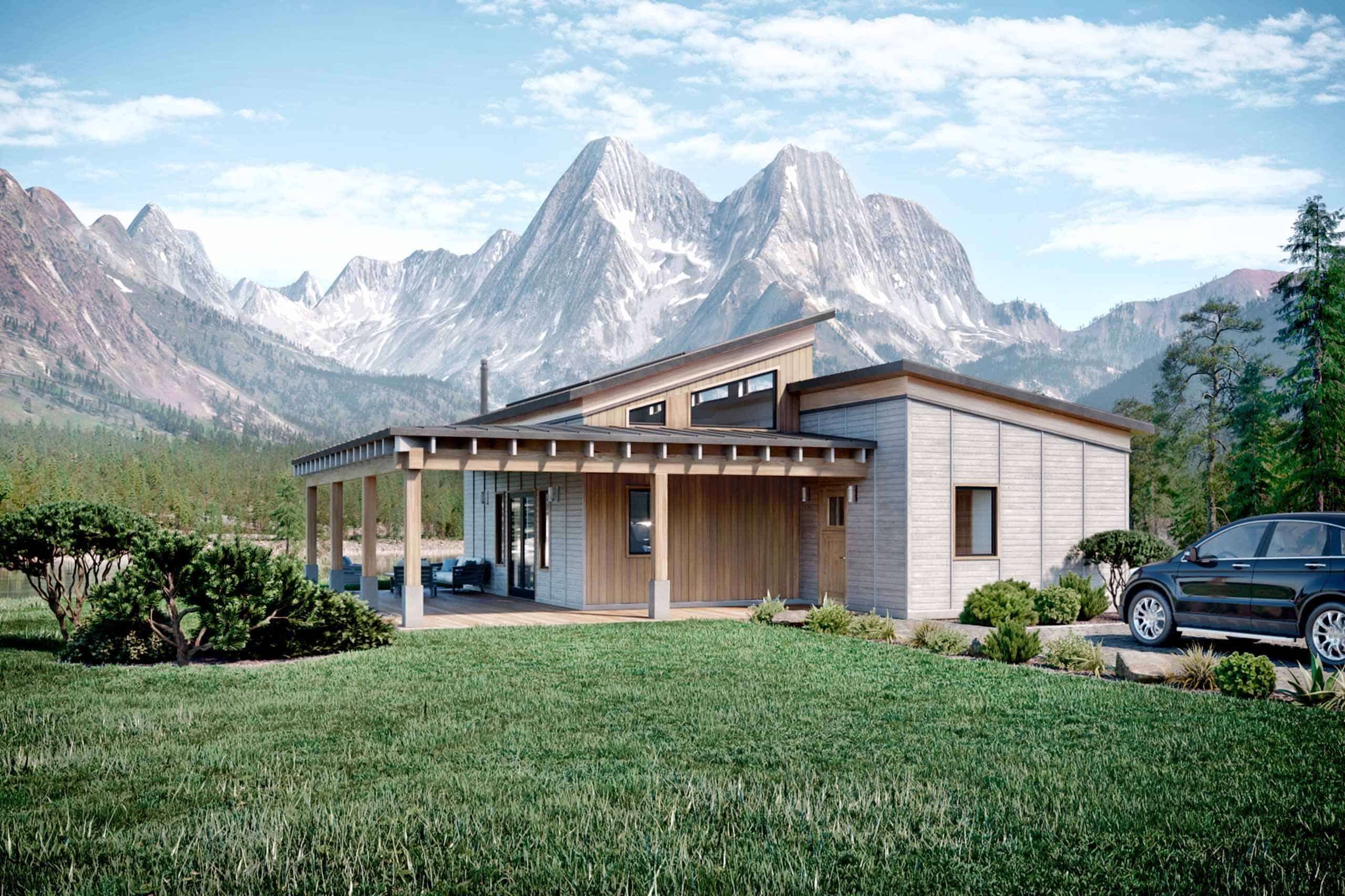
1. The Architectural Illusion: Maximizing Spatial Perception
The primary goal of any unique small home plan is to make the space feel bigger than it actually is. This involves strategic architectural and design moves that manipulate the eye.
Open Floor Plans and Flow
- Eliminate Walls, Define Zones: Most modern small homes utilize an open floor plan, combining the kitchen, living, and dining areas. This seamless flow eliminates visual barriers and allows natural light to penetrate the entire space. Instead of solid walls, designers use elements like varying ceiling heights, strategically placed area rugs, or subtle differences in flooring material to create distinct zones for different functions.
- Long Views and Sightlines: A crucial trick is creating long sightlines. By positioning a window at the end of a long wall or hallway. The eye is drawn to the view outside, instantly creating the illusion of a much greater expanse. In the main living area, careful furniture placement should allow an unobstructed path from one end of the room to the other.
Harnessing Natural Light
Natural light is the most effective tool for expanding a space.
- Floor-to-Ceiling Windows: Large, oversized windows, especially those that extend from floor to ceiling, blur the boundary between the indoors and the outdoors. This visual connection to nature and exterior views makes the interior feel like an extension of the outside environment.
- Clerestory Windows and Skylights: These placements draw light deep into the home’s core and high into the ceiling, emphasizing the vertical space and preventing the room from feeling dark or cave-like.
2. Creative Floor Plans: The Multi-Functional Core
Unique small home plans define by their ability to serve multiple functions in the same space, often through clever, built-in solutions.
| Feature | Design Application | Space Maximized |
| Multi-level Living | Lofted bedrooms, mezzanines, or vertical libraries. | Vertical Space & Private Zones |
| Hidden Storage | Drawers integrated under staircases, under beds, or in benches. | Utility & Clutter Control |
| Pocket & Sliding Doors | Used instead of traditional hinged doors for bathrooms and closets. | Wall Space & Traffic Flow |
| Built-in Cabinetry | Custom shelving and cabinets that blend into walls for a seamless look. | Organization & Visual Calm |
The Vertical Strategy
When a home cannot expand outward, it must expand upward. Many of the most innovative plans, even under 1000 square feet, are two stories or feature lofted areas. This allows for the private sleeping quarters to be stacked above the main living area, separating noisy and quiet functions and adding architectural interest with vaulted or shed ceilings over the great room.
Under-Stair Utilization
The area under the staircase is one of the most underutilized spaces in conventional design. In a small home plan, this space is essential, often housing:
- A powder room or small laundry closet.
- Custom pull-out drawers or built-in shelving for a library.
- A hidden pantry or cleaning supply closet.
3. The Furniture Factor: Elegance Meets Efficiency
The design of the furnishings must work in tandem with the small home plan. Every piece of furniture should be multi-functional or custom-sized to the space.
- Convertible Pieces: Modern furniture design offers elegant solutions like:
- Wall Beds (Murphy Beds): A bedroom that folds neatly into a cabinet, instantly transforming the space into an office, yoga studio, or guest lounge.
- Lift-up and Extendable Tables: Dining tables that shrink to a console size or convert from a coffee table to a full-height desk.
- Storage Ottomans and Sectionals: Seating units that include hidden storage for blankets, toys, or seasonal items.
- Minimalist Aesthetic: A consistent design aesthetic with a limited, neutral color palette helps the home feel cohesive and uncluttered. High-quality materials like polished stone, natural wood, and designer fixtures are chosen for maximum impact, proving that luxury is about discernment, not size.
Conclusion: Small Home, Grand Lifestyle
Unique small home plans offer a compelling vision for modern living: a life where efficiency, sustainability, and comfort are prioritized. By employing architectural tricks like open sightlines, embracing vertical space, and relying on multi-functional furniture, these homes shed unnecessary excess without sacrificing the feel of spaciousness and luxury. Ultimately, the best small home plan is one that reflects a simplified, intentional life, proving that a grand lifestyle can be enjoyed on the most modest of footprints.