The architectural landscape is undergoing a significant transformation, moving away from the ornate complexities of the past toward a philosophy that celebrates simplicity, function, and a seamless connection with the environment. Modern house plans are no longer just a niche preference for design enthusiasts; they have become the gold standard for homeowners who prioritize efficiency, natural light, and a minimalist aesthetic.
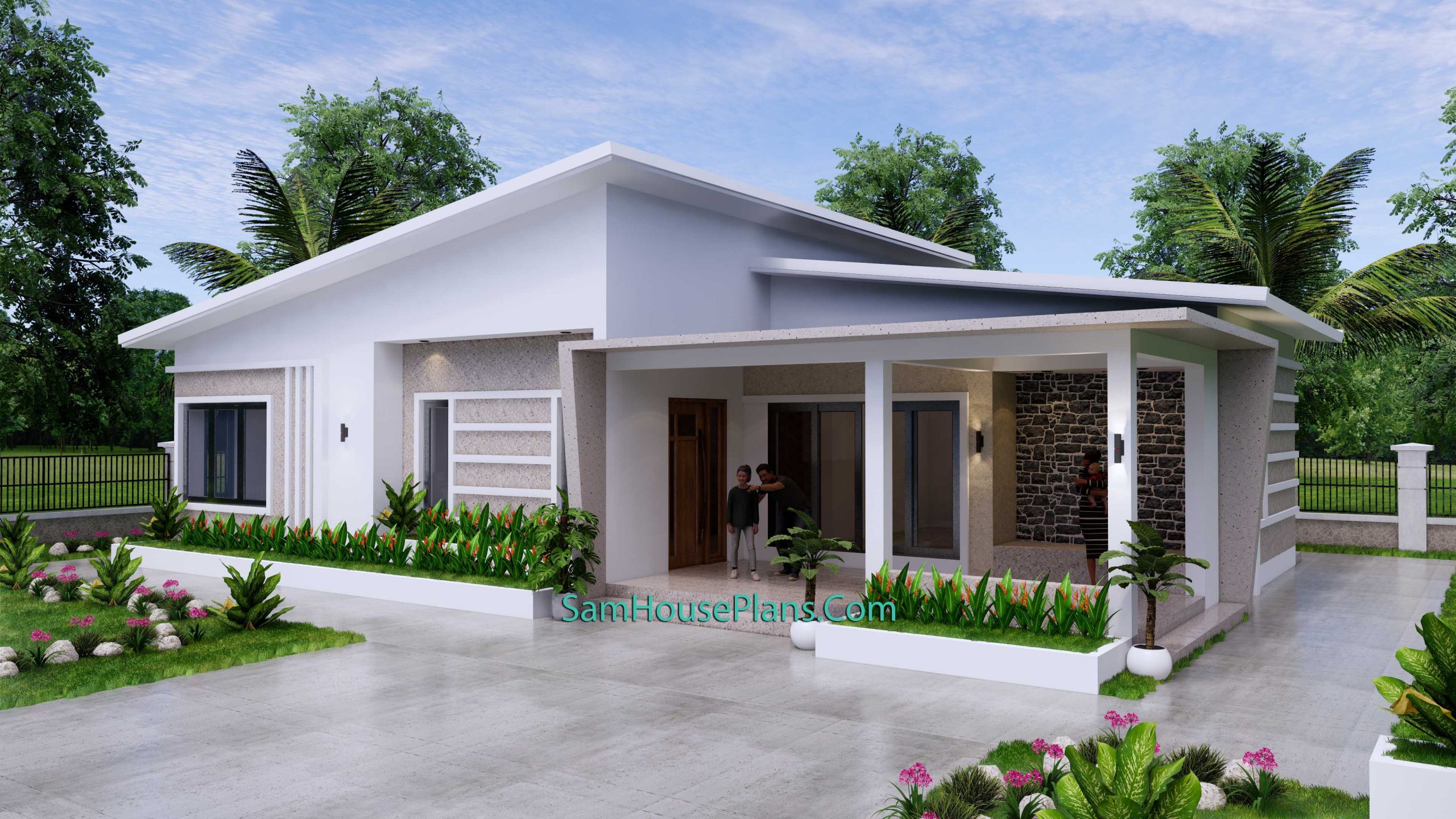
At its core, modern architecture is defined by the “form follows function” principle. This means every line, every window placement, and every material choice serves a specific purpose, resulting in homes that are as practical to live in as they are beautiful to behold.
Defining Characteristics of Modern House Plans
When we talk about modern house plans, we are referring to a specific set of design language that sets them apart from traditional or contemporary styles. Understanding these characteristics is the first step in deciding if a modern layout is right for your lifestyle.
Geometric Simplicity and Clean Lines
One of the most striking features of modern homes is their geometric clarity. These designs often favor flat or shed-roof lines, large overhangs, and a combination of horizontal and vertical planes. By stripping away unnecessary ornamentation like crown molding or decorative gables, the focus shifts to the purity of the structure itself. This creates a sense of calm and order that is highly sought after in today’s fast-paced world.
The Open Concept Revolution
Modern house plans were the pioneers of the open floor plan. By minimizing interior walls, particularly between the kitchen, dining, and living areas, these plans promote a sense of togetherness and fluidity. This layout is ideal for modern families who want to interact while cooking, relaxing, or working, and it makes even smaller footprints feel grand and spacious.
Large Windows and Natural Light
Modern design treats natural light as a building material in its own right. Floor-to-ceiling windows, glass sliding doors, and clerestory windows are staples of the style. The goal is to maximize “passive solar” benefits and to ensure that every corner of the home feels connected to the outside world. This abundance of glass blurs the boundary between the interior and the landscape, making the garden or the view a living part of the home’s decor.
The Integration of Indoor-Outdoor Living
One of the most significant advantages of modern house plans is their focus on indoor-outdoor living. Unlike traditional homes that often treat the backyard as a separate entity, modern designs view the outdoor space as an additional “room” of the house.
Architects often incorporate covered patios, decks, and courtyards that are level with the interior flooring. When large glass doors are pushed aside, the living room literally expands into the garden. This is particularly beneficial for those living in temperate climates, as it encourages a lifestyle that is more in tune with nature. Even in colder climates, the visual connection to the outdoors provided by large glass expanses can alleviate the feeling of being “cooped up” during the winter months.
Sustainability and Smart Technology
In 2026, modern house plans are synonymous with sustainability. Because the design emphasizes simplicity, it is much easier to integrate green technologies and energy-efficient systems into the build.
Energy Efficiency
Modern plans often feature “envelope” designs that prioritize high-quality insulation and airtight construction. The strategic placement of windows allows for natural cross-ventilation, reducing the need for air conditioning. Many modern designs are also optimized for solar panel installation, with roof pitches specifically angled to capture the maximum amount of sunlight.
Smart Home Integration
The clean lines of a modern home provide the perfect backdrop for smart technology. From integrated security systems to automated lighting and climate control, modern plans are designed with the “home of the future” in mind. Wiring and hardware are often hidden within the minimalist structure, ensuring that technology enhances the living experience without cluttering the visual field.
Choosing the Right Modern Plan for Your Needs
Modern architecture is incredibly versatile and can be adapted to various lot sizes and family dynamics. Whether you are looking for a sprawling luxury estate or a compact urban dwelling, there is a modern plan that fits.
The Modern Farmhouse
A popular sub-genre, the modern farmhouse blends the cozy, rustic elements of traditional rural homes with the clean lines and open layouts of modernism. It often features gabled roofs and large porches but maintains a minimalist interior and massive windows.
The Mid-Century Modern Revival
Drawing inspiration from the 1940s through the 1960s, these plans focus on organic shapes and a “post-and-beam” structure. They are characterized by a deep connection to nature and are often designed to sit low to the ground, blending into the surrounding topography.
The Industrial Modern
For those who prefer a more “raw” aesthetic, industrial modern plans utilize materials like exposed steel, concrete, and large expanses of glass. This style is perfect for urban settings and provides a bold, sophisticated look that is incredibly durable.
Conclusion
Modern house plans represent a thoughtful response to the way we live today. By prioritizing light, space, and a connection to the environment, these designs offer a living experience that is both functional and emotionally fulfilling. While styles may come and go, the core tenets of modernism—simplicity, honesty in materials, and a focus on the inhabitant’s well-being—ensure that these homes will remain timeless. Investing in a modern house plan is not just about building a structure; it is about designing a lifestyle that is efficient, sustainable, and beautifully aligned with the modern world.
Would you like me to help you draft a specific SEO-optimized article focusing on the best building materials for modern homes, such as sustainable wood or polished concrete?