
In the journey of constructing a new home, the House Model—whether a physical scale model or a conceptual architectural template—serves as the foundational bridge between abstract dreams and tangible reality. It is the critical tool used by architects, builders, and buyers alike to visualize space, test functionality, and make informed decisions long before the first shovel breaks ground. Far from being mere decorative miniatures, house models are powerful planning instruments that dictate everything from site placement and material selection to the ultimate emotional flow of the finished dwelling.
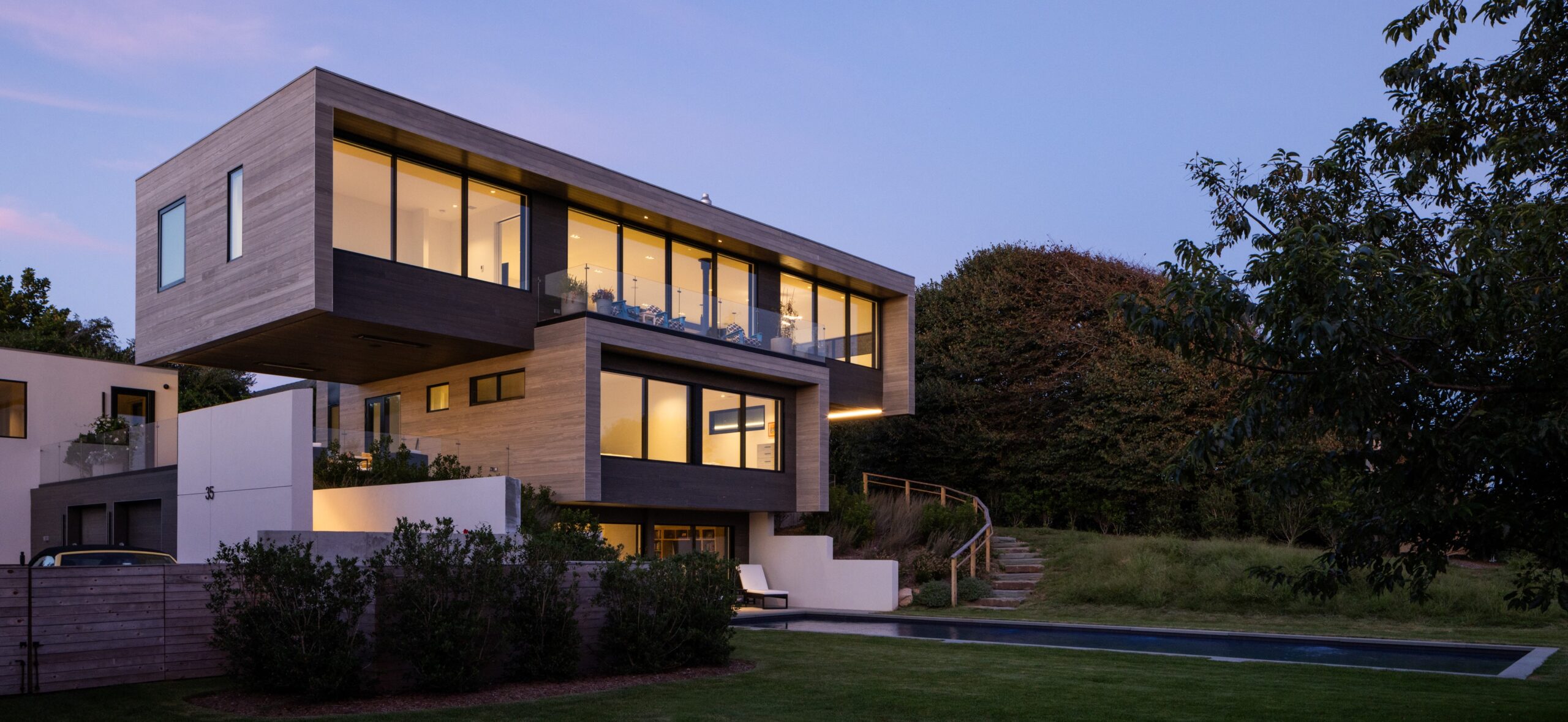
For future homeowners, understanding the purpose and inherent limitations of a house model is essential for communicating effectively with their design team and ensuring the final structure truly meets their needs. This article explores the various forms of the house model and why engaging deeply with this conceptual stage is the key to building success.
1. The Physical Model: A Three-Dimensional Reality Check
The traditional, tangible scale model remains an invaluable tool, particularly for complex custom builds or high-end residential projects. Its purpose is to provide an immediate, tactile sense of the structure’s physical presence.
Visualizing Scale and Massing
Photographs and two-dimensional blueprints can often distort the perceived size and shape of a house. The physical model clearly demonstrates the house’s massing—how its volumes and shapes relate to each other—and its scale relative to human size.
- Rooflines and Shadow: A model accurately reveals how the rooflines intersect and how the sun will cast shadows throughout the day, which is crucial for determining window placement and maximizing natural light. This level of environmental interaction is difficult to fully grasp in digital renderings.
- Neighborhood Context: If the model includes surrounding topography or adjacent structures, it helps the homeowner visualize the house’s placement on the lot and its relationship to the neighborhood’s existing aesthetic, ensuring the new design integrates seamlessly rather than clashes.
Detecting Design Flaws
It is far cheaper and easier to catch design flaws in miniature than it is on the construction site. Architects use models to test views, sightlines, and structural connections that might look correct on paper but feel wrong in three dimensions. For the homeowner, it’s the best opportunity to request changes, such as adjusting a window height or repositioning an entrance, before the plans are finalized.
2. The Conceptual Model: Defining Architectural Archetypes
Beyond the physical representation, the term “house model” often refers to the architectural template or style that defines a community or a builder’s offering. This conceptual model establishes the home’s core identity.
Functional Archetypes
Builders often rely on a limited number of successful floor plans (e.g., “The Willow,” “The Aspen”) known as conceptual models. These models are popular because they represent proven layouts that balance space, cost, and typical family needs.
- Ranch/Single-Story Model: Prioritizes accessibility and open-concept living, often appealing to older families or those valuing easy flow.
- Two-Story Traditional Model: Maximizes square footage on a smaller footprint, separating public living areas from private sleeping quarters.
- Split-Level Model: Offers distinct functional zones without full staircases, ideal for maximizing space on sloped lots.
When selecting a conceptual model, the homeowner is essentially choosing a predefined lifestyle structure, making it vital to ensure the template aligns with their specific daily routines, privacy needs, and entertaining habits.
Customization vs. Standardization
The conceptual model dictates the level of customization possible. Standardized models offer limited choices in finishes and fixtures (reducing cost and build time), while custom models require extensive visualization and consultation, but allow for total personalization. Understanding this distinction early saves both time and financial frustration.
3. Digital Models and Visualization: The Modern Edge
Today’s models rarely rely on balsa wood and cardboard alone. Digital 3D models and Virtual Reality (VR) environments have become essential, offering dynamic, immersive experiences.
Real-Time Walkthroughs
Digital modeling allows for virtual “walkthroughs” where the homeowner can experience the space from a first-person perspective, adjusting lighting, changing wall colors, and viewing furniture placement in real-time. This level of immersion is invaluable for finalizing crucial details like the height of kitchen islands or the sightlines from the master bedroom.
Material and Finish Simulation
Unlike a physical model, which uses colored cardstock, digital models can accurately simulate the texture and reflectance of actual materials—marble, wood grain, sunlight on glass—providing a more realistic preview of the final aesthetic outcome.
Conclusion
The House Model, in all its forms—physical, conceptual, or digital—is the single most important instrument for bridging the gap between imagination and reality in residential construction. By engaging deeply with the model, homeowners gain the power to test scale, understand architectural flow, and make informed choices about customization and style before construction begins. Utilizing the model effectively ensures that the final house is not just structurally sound, but perfectly aligned with the desired function and aesthetic vision of the future occupants.