
In the world of brick-and-mortar commerce, the retail store layout is far more than just where you place the shelves. It is, in effect, your silent salesman—a meticulously designed blueprint that dictates customer flow, product exposure, and ultimately, sales volume. A strategically planned layout can dramatically increase conversion rates, encourage impulse buys, and enhance the overall brand experience.
eight-useful-tips-to-consider-while-designing-the-layout-for-retail-business
Ignoring the psychology and strategy behind your store’s configuration is leaving money on the table. For any retailer aiming for efficiency and profitability, mastering the art of the store layout is non-negotiable.
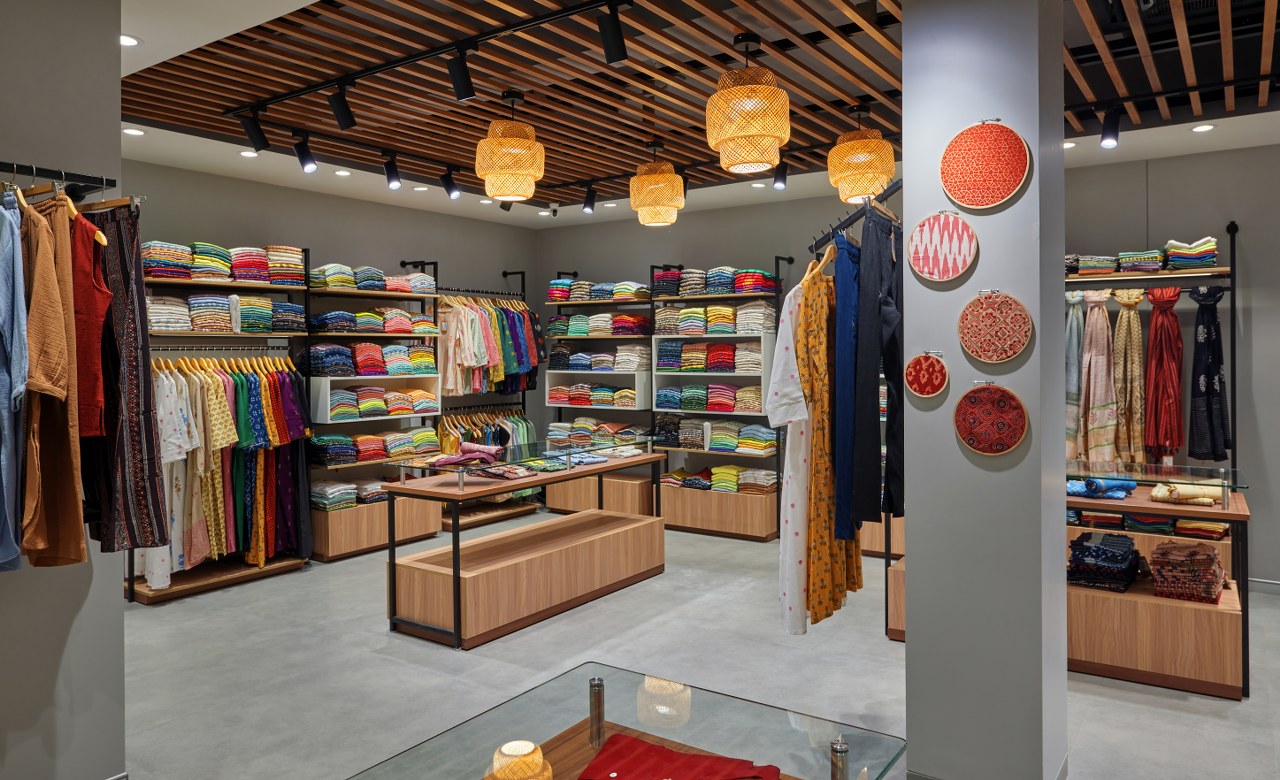
1. The Psychology of Flow: Guiding the Customer Journey
The primary goal of any layout is to manage the customer journey. Research shows that shoppers tend to turn right upon entering a store (in North America and Europe) and naturally move counter-clockwise. A successful layout harnesses this natural tendency while ensuring all key products and zones receive attention.
The Decompression Zone
The area immediately inside the entrance is known as the “decompression zone.” Customers need a few steps to transition from the outside world. Mistake: placing the most expensive or attractive merchandise here. Strategy: Use this space for clear signage, seasonal displays, or attractive but low-pressure visual merchandising to introduce the brand without overwhelming the shopper.
Hot and Cold Zones
- Hot Zones: Areas with high foot traffic, such as the main aisles, near the checkout, and the path to the most popular items. This is where you place high-margin and promotional merchandise.
- Cold Zones: Low-traffic areas, often corners or the very back of the store. Strategy: Place essential, high-demand items (like milk in a grocery store, or the fitting rooms in an apparel store) in these zones, forcing customers to walk through the hot zones and increasing their exposure to impulse purchases.
2. Types of Layouts and Their Strategic Uses
The type of product you sell and the desired customer experience should dictate your choice of layout.
| Layout Type | Description | Best For | Key Advantage |
| Grid Layout | Long, parallel aisles with perpendicular fixtures (like a supermarket). | Grocery stores, pharmacies, hardware stores. | Maximizes merchandise space and simplifies product location for customers on a mission. |
| Loop/Racetrack | A single, defined path that guides customers through the entire perimeter of the store. | IKEA, large department stores. | Exposes customers to the maximum amount of merchandise, encouraging discovery and impulse buys. |
| Free-Flow | No clear path; fixtures are placed loosely to encourage wandering and browsing. | Boutiques, high-end apparel, specialty stores. | Creates a relaxed, intimate, and experiential atmosphere, allowing the brand story to take center stage. |
| Spine Layout | A main, wide aisle running from the front to the back, with smaller aisles branching off. | Mid-sized specialty retailers. | Offers a structured yet inviting path, balancing product exposure with easy navigation. |
3. Product Placement and Cross-Merchandising
The final and most profitable layer of layout design is how you arrange individual products:
- The Power of Eye-Level: Products placed at a customer’s eye level (the “golden zone”) sell faster. Use this prime real estate for high-margin items or new product launches.
- Impulse Buys at the Checkout: The cash wrap is a high-dwell time area. Strategic placement of low-cost, high-profit items (e.g., batteries, candy, small accessories) captures impulse purchases right before the transaction is finalize.
- Grouping Complementary Items: This is the core of cross-merchandising. Instead of grouping products purely by category, display items that are used together. For instance, putting grilling spices next to the meat counter, or placing socks and belts next to suits. This nudges the customer toward a bundled purchase, increasing the average transaction value.
Conclusion: Flexibility is Key to Longevity
An optimal retail layout is never truly “finished.” It must be a dynamic, flexible structure capable of evolving with seasons, promotions, and inventory changes. Smart retailers use modular fixtures and flexible zones that can be rapidly reconfigured.
By meticulously planning the customer flow, choosing the right foundational layout, and optimizing product placement based on psychological principles, you transform your retail space from a static storage area into a highly efficient, profit-generating machine. Your store layout is a direct reflection of your business intelligence; make sure it’s sending the right sales message.